



Top China Manufacturer of Closed System Drug Transfer Devices
In the pharmaceutical industry, safety and efficiency are key, and that’s where Closed System Drug Transfer Devices (CSTDs) come in. I’ve seen firsthand how vital these devices are for protecting healthcare professionals and patients from hazardous drug exposure. Manufactured in China, our CSTDs are designed with the latest technology to ensure contamination-free drug handling. As a B2B purchaser, you’ll appreciate the quality and reliability we provide. Our dedication to rigorous testing and compliance with international standards means you can trust our products to enhance safety in your facility. With us, you’re not just buying a product; you’re investing in peace of mind. We understand the unique challenges faced by healthcare providers, and we are committed to delivering solutions tailored to your needs. Choose our Closed System Drug Transfer Devices, and let’s work together to make your drug handling safer and more efficient.


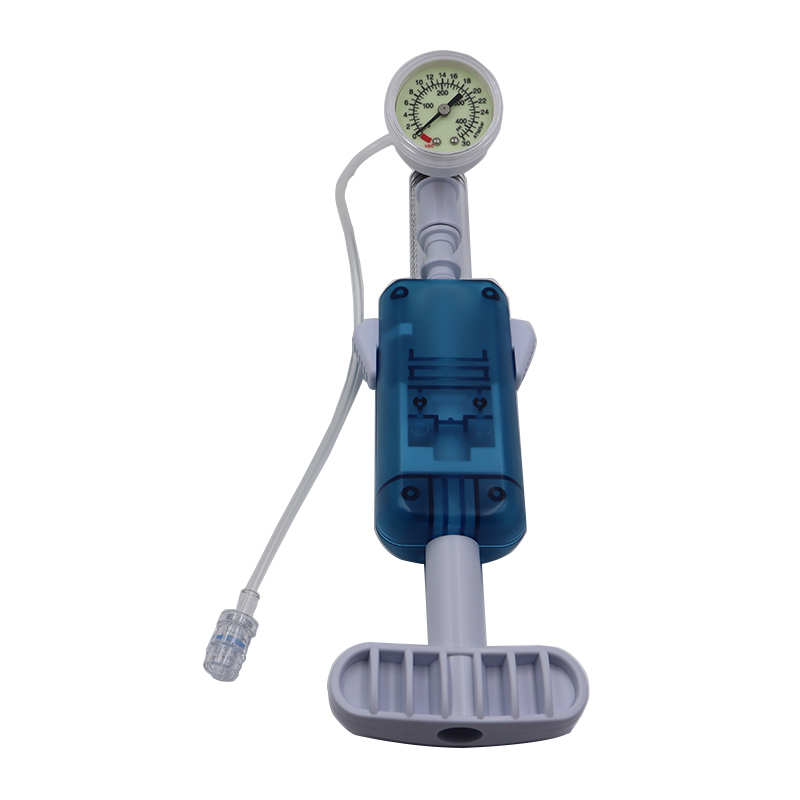

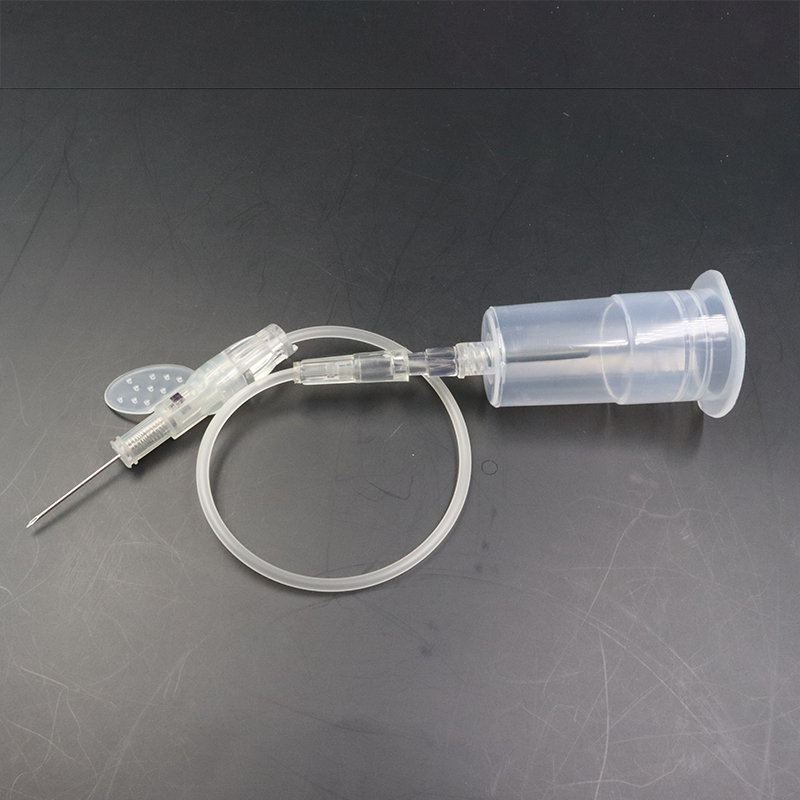
Closed System Drug Transfer Device Stands Out Trusted by Pros
In the ever-evolving landscape of healthcare, the safety and efficiency of drug delivery systems have become paramount. Closed System Drug Transfer Devices (CSTD) have emerged as essential tools for ensuring the secure handling of hazardous drugs. Designed to prevent contamination and exposure during the transfer process, these systems are increasingly trusted by healthcare professionals around the world. When it comes to selecting a CSTD, the reliability, ease of use, and compatibility with various drug formulations play a crucial role in procurement decisions. What sets a standout CSTD apart is its ability to protect both healthcare workers and patients while streamlining operations. High-quality devices are engineered with advanced safety features that not only minimize spills and leaks but also enable quick and accurate drug transfer. This efficiency can lead to improved workflow in hospital pharmacies and practice settings, ultimately contributing to better patient outcomes. Furthermore, ongoing training and support from manufacturers enhance the user experience, ensuring that healthcare professionals feel confident in utilizing these critical devices. As global procurement becomes increasingly competitive, stakeholders in the healthcare sector seek innovative solutions that meet stringent regulatory requirements and high safety standards. CSTD solutions that prioritize functionality, durability, and user feedback are poised to redefine market expectations. Investing in trusted CSTD technology is not just a commitment to compliance—it represents a proactive approach to patient safety and the overall efficiency of healthcare delivery systems worldwide.
Closed System Drug Transfer Device Stands Out Trusted by Pros
| Device Type | Features | Applications | Safety Rating | User Feedback |
|---|---|---|---|---|
| Type A | Leak-proof, Ergonomic design | Chemotherapy, Hazardous drugs | ISO 5 | Highly rated for ease of use |
| Type B | Lightweight, One-handed operation | Infusion, Intravenous medications | ISO 5 | Positive reviews on portability |
| Type C | Durable, Multi-use | General pharmaceutical handling | ISO 5 | Valued for robustness |
Related Products

Closed System Drug Transfer Device Supplier Ahead of the Curve
Top Selling Products


- Related Blog
- Reviews
