




Effective venous access is essential in modern clinical practice, supporting procedures such as medication administration, blood collection, fluid infusion, and emergency treatment. Among commonly used medical supply products, the scalp vein set and the IV cannula are two widely applied devices for establishing venous access.
Although both serve similar purposes, their structure, duration of use, safety level, and clinical applications differ significantly. Choosing the right device can improve treatment efficiency, reduce complications, and enhance patient comfort. This article provides a detailed comparison of scalp vein set vs IV cannula to help healthcare professionals and medical supply buyers make informed decisions.
What Is a Scalp Vein Set?
A scalp vein set, commonly known as a butterfly needle, is a short stainless-steel needle connected to flexible tubing, with two soft wings on both sides for easy handling and fixation.
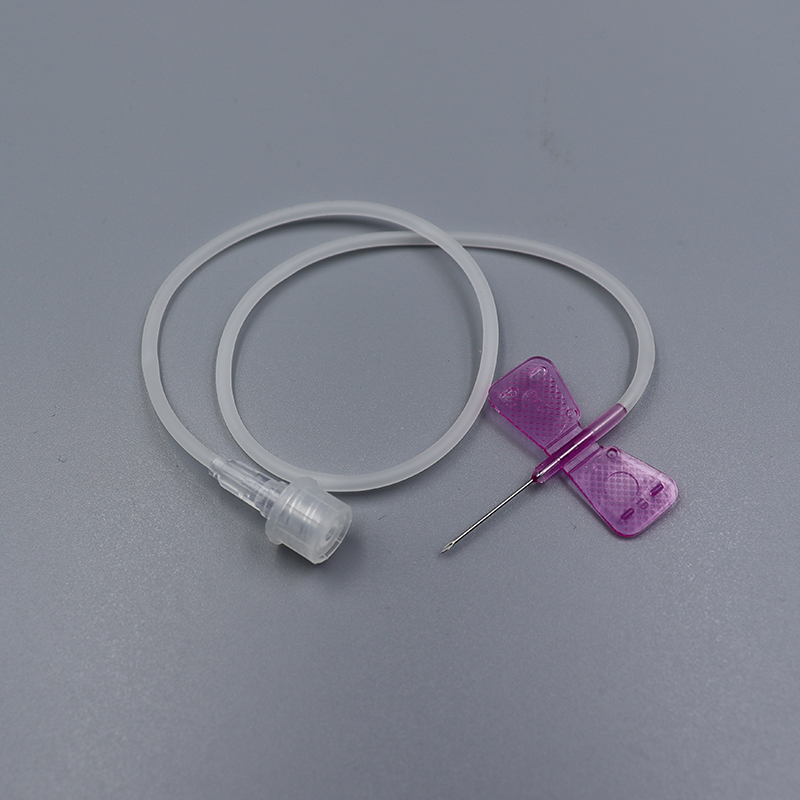
Main Uses of Scalp Vein Set
Scalp vein sets are mainly designed for short-term venous access, especially in patients with small, fragile, or difficult-to-locate veins. Typical applications include:
Blood collection procedures
Single-dose or short-duration IV injections
Pediatric and neonatal infusion
Geriatric patients with fragile veins
Outpatient and emergency care
Due to its lightweight structure and precise control, the scalp vein set is widely used when accuracy and minimal vein trauma are required.
Available Types of Scalp Vein Set
Different clinical environments and safety standards have led to multiple types of scalp vein sets. The main types are summarized below:
| Type | Key Features | Typical Applications |
| Standard Scalp Vein Set | Traditional butterfly needle, flexible tubing, no safety mechanism | Blood collection, routine injections |
| Safety Scalp Vein Set | Integrated safety shield or retraction system | Hospitals with strict needlestick prevention policies |
Safety scalp vein sets are increasingly preferred in developed markets due to enhanced protection for healthcare workers.
What Is an IV Cannula?
An IV cannula is a catheter-over-needle device inserted into a vein. After successful insertion, the needle is withdrawn, leaving a soft plastic catheter inside the vein to maintain access.
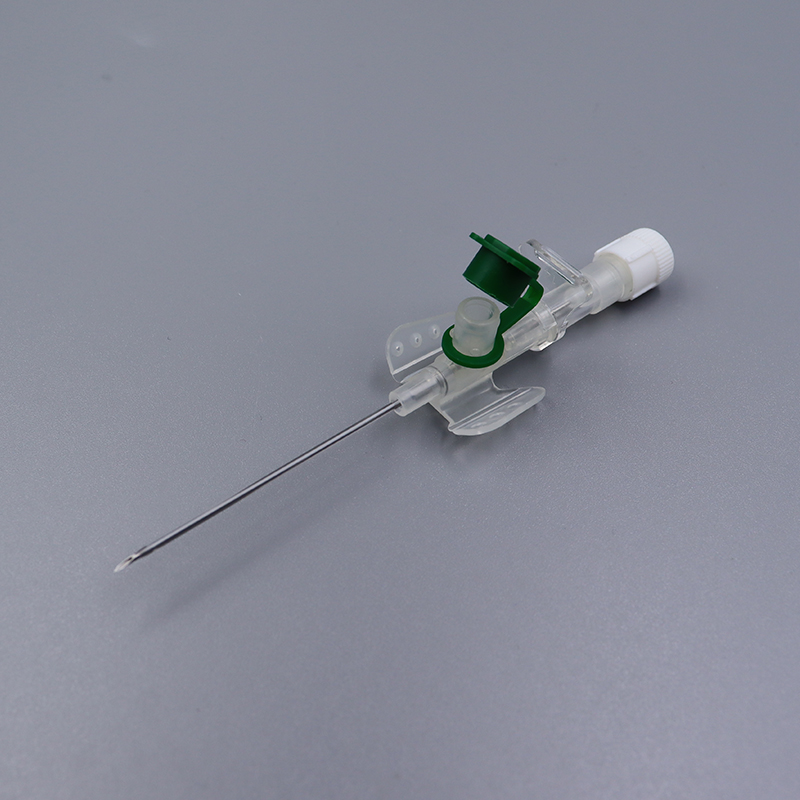
Main Uses of IV Cannula
IV cannulas are designed for medium- to long-term venous access, making them one of the most essential medical supply products in hospitals. Common uses include:
Continuous fluid infusion
Long-term medication administration
Blood transfusion
Emergency and inpatient treatment
Surgical and post-operative care
Because the catheter remains in place, IV cannulas provide greater stability and comfort for extended therapy.
Available Types of IV Cannula
IV cannulas are available in multiple configurations to suit different clinical needs. The most common types are shown in the table below:
| Type | Design Features | Clinical Advantages |
| With Wings & Injection Port | Wings for fixation, injection port for medication | Convenient drug delivery, stable fixation |
| With Wings & Without Injection Port | Secure wings, simplified structure | Reduced infection risk, continuous infusion |
| Without Wings & Without Injection Port | Compact design, minimal components | Cost-effective, specific clinical scenarios |
Selecting the appropriate type depends on treatment duration, infection control requirements, and budget considerations.
Scalp Vein Set: Pros and Cons
Pros of Scalp Vein Set
Easy and quick insertion
High precision for small or fragile veins
Less painful for short-term use
Lower unit cost
Widely accepted in pediatric and outpatient settings
Cons of Scalp Vein Set
Not suitable for long-term infusion
Higher risk of dislodgement
Steel needle remains in vein during use
Increased risk of needlestick injuries without safety features
IV Cannula: Pros and Cons
Pros of IV Cannula
Suitable for long-term venous access
Soft catheter reduces vein irritation
High stability for continuous infusion
Multiple types for different clinical needs
Widely used in hospitals and emergency care
Cons of IV Cannula
More complex insertion technique
Higher cost compared to scalp vein set
Less suitable for very small or fragile veins
Requires trained personnel for placement
Differences Between Scalp Vein Set and IV Cannula
The key differences between a scalp vein set and an IV cannula can be summarized as follows:
| Aspect | Scalp Vein Set | IV Cannula |
| Structure | Steel needle with tubing | Catheter-over-needle |
| Duration of Use | Short-term | Medium to long-term |
| Patient Group | Pediatric, geriatric | Adult, inpatient |
| Stability | Moderate | High |
| Safety Level | Standard or safety type | Safer after needle removal |
| Cost | Lower | Higher |
Key Features to Consider When Choosing the Right One
When selecting between a scalp vein set and an IV cannula, healthcare providers and procurement managers should evaluate several key factors:
Duration of therapy: Short procedures favor scalp vein sets, while long-term treatments require IV cannulas.
Vein condition: Fragile or hard-to-access veins may benefit from scalp vein sets.
Safety requirements: Safety scalp vein sets help reduce occupational injuries.
Clinical environment: Emergency rooms, wards, and outpatient clinics have different priorities.
Cost and supply strategy: Budget constraints and market regulations influence product selection.
Considering these factors helps optimize both clinical outcomes and procurement efficiency.
Conclusion
Both scalp vein sets and IV cannulas are indispensable medical supply products for effective venous access. The scalp vein set is ideal for short-term, precise applications, especially in pediatric and fragile-vein patients. In contrast, the IV cannula is better suited for long-term infusion, inpatient care, and continuous medication delivery.
Understanding the differences between scalp vein set vs IV cannula allows healthcare professionals and medical supply buyers to select the most appropriate device based on clinical needs, patient safety, and cost considerations.
Post time: Feb-09-2026