




For people living with diabetes, two small but essential tools are used every day: the lancet needle and the pen needle. Although they may look similar at first glance, they serve completely different purposes in diabetes care.
A lancet needle is mainly used for blood glucose testing, while a pen needle is designed for insulin injection. Understanding the difference between lancet needle vs pen needle helps patients, caregivers, and healthcare providers choose the right diabetes device for safe and effective use.
In this article, we will explain:
- What a lancet needle is
- What a pen needle is
- The differences between lancet and pen needle
- Lancet needle size and pen needle size
- How to choose the right medical consumables for diabetes management
What is a lancet needle?
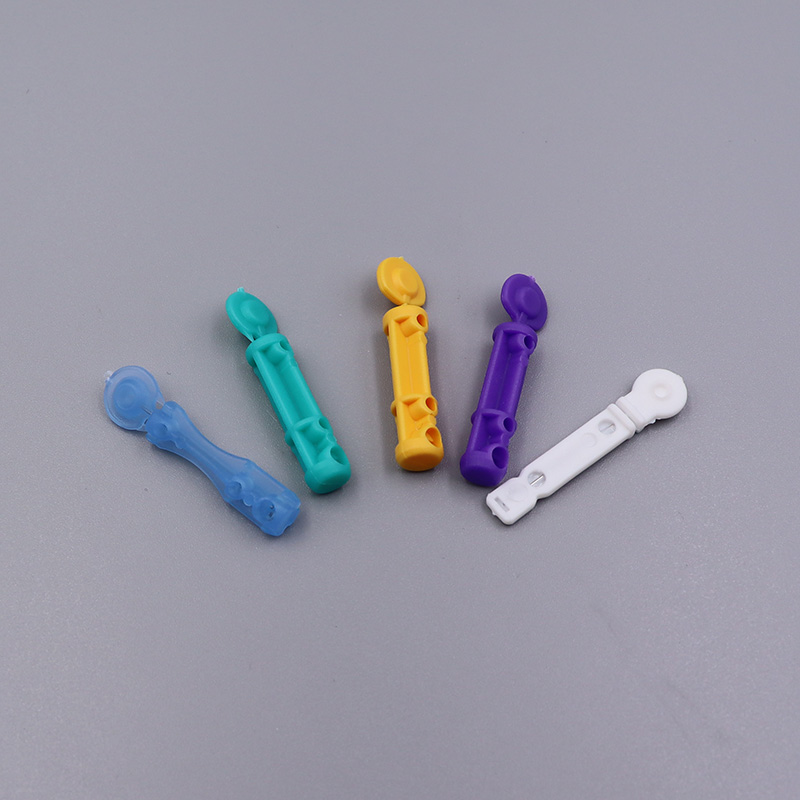
A lancet needle is a small, sharp medical device used to prick the skin and obtain a tiny blood sample for glucose testing. It is commonly used together with a lancing device and blood glucose meter.
People with diabetes use lancet needles multiple times daily to monitor blood sugar levels.
Main Features of a Lancet Needle
- Designed for finger pricking
- Produces a very small puncture wound
- Used for blood glucose monitoring
- Usually disposable and sterile
- Compatible with lancing devices
Lancets are considered essential medical consumables in diabetes care because they help patients track glucose levels accurately.
Common Applications of Lancet Needles
- Daily diabetes blood glucose testing
- Hospital blood sugar monitoring
- Home healthcare testing
- Clinical diagnostic procedures
Modern lancet needles are designed to minimize pain while improving blood collection efficiency.
What is a pen needle?
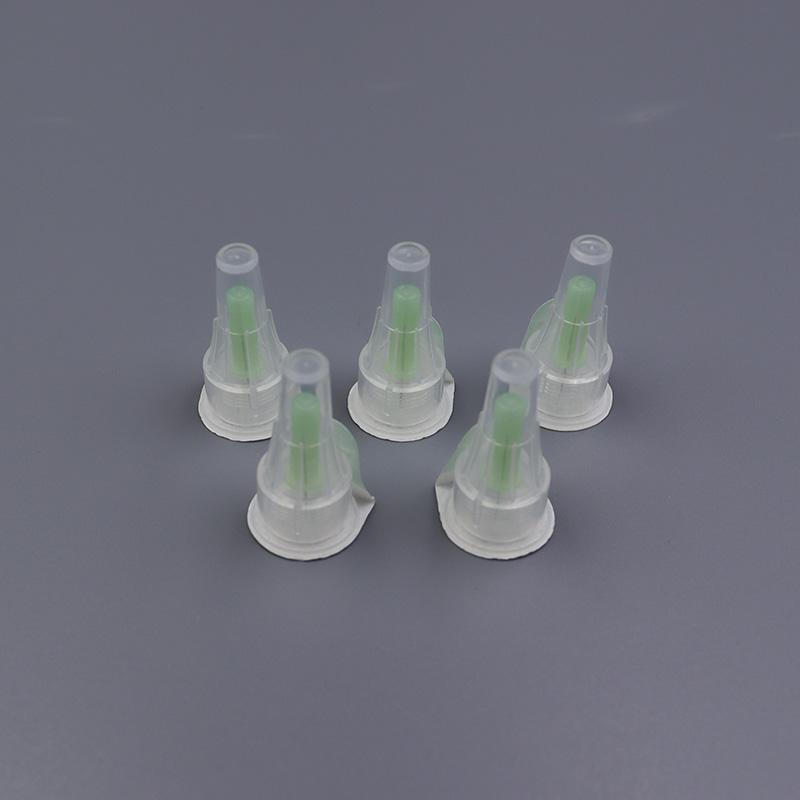
A pen needle is a disposable needle attached to an insulin pen injector. It is used to deliver insulin or other injectable diabetes medications into the subcutaneous tissue.
Unlike lancets, pen needles are designed for medication delivery rather than blood collection.
Main Features of a Pen Needle
- Used with insulin pens
- Designed for subcutaneous injection
- Available in different lengths and gauges
- Sterile, single-use medical device
- Helps improve insulin delivery comfort
Modern pen needles are designed to reduce pain and improve patient compliance during insulin therapy.
Common Applications of Pen Needles
- Insulin injection
- GLP-1 injection therapy
- Diabetes homecare treatment
- Hospital diabetes management
Pen needles have become one of the most important diabetes devices in modern healthcare.
Is Lancet Needle Same as Pen Needle?
No, a lancet needle is not the same as a pen needle.
Although both are commonly used in diabetes management, they have different structures, functions, and applications.
| Feature | Lancet Needle | Pen Needle |
| Main Purpose | Blood glucose testing | Insulin injection |
| Used With | Lancing device | Insulin pen |
| Injection Depth | Very shallow skin puncture | Subcutaneous tissue |
| Needle Design | Solid needle tip | Hollow injection needle |
| Typical Use Frequency | Several times daily | Multiple insulin doses daily |
| Medical Function | Blood sampling | Drug delivery |
Difference Between Lancet Needle vs Pen Needle
Understanding the difference between lancet needle vs pen needle is important for selecting the correct diabetes device.
1. Different Functions
The biggest difference is the function.
Lancet Needle
Used to collect blood samples for glucose monitoring.
Pen Needle
Used to inject insulin into the body.
One device measures blood sugar, while the other helps control it.
2. Different Needle Structures
Lancet needles are solid needles designed for skin puncture.
Pen needles are hollow needles that allow insulin to flow through during injection.
This structural difference directly affects their medical application.
3. Different Comfort Levels
Modern lancet needles focus on minimizing finger pain during frequent testing.
Pen needles are optimized for smoother insulin injection with thinner walls and ultra-fine gauges.
Manufacturers continue improving both devices to enhance patient comfort.
4. Different Safety Considerations
Lancets should never be reused because repeated use may cause:
- Increased pain
- Skin damage
- Infection risk
- Needle dullness
Similarly, pen needles are designed for single use to maintain injection accuracy and sterility.
Healthcare professionals strongly recommend proper disposal of both medical consumables after use.
Lancet Needle Size Explained
Choosing the correct lancet needle size can improve comfort and blood sampling efficiency.
Lancet sizes are usually measured by gauge (G). The higher the gauge number, the thinner the needle.
Common Lancet Needle Sizes
| Lancet Gauge | Characteristics | Typical Use |
| 21G–23G | Thicker needle | Larger blood sample |
| 25G–28G | Standard thickness | General glucose testing |
| 30G–33G | Ultra-fine needle | Reduced pain testing |
Many diabetes patients prefer 30G to 33G lancets because they are less painful.
However, patients with poor circulation may require slightly thicker lancets for adequate blood collection.
Pen Needle Size Explained
Pen needle size is usually described by both gauge and length.
Common Pen Needle Gauges
| Gauge | Description |
| 29G | Thicker needle |
| 31G | Standard insulin pen needle |
| 32G | Fine needle |
| 33G–34G | Ultra-thin needle |
Higher gauge pen needles generally provide more comfortable injections.
Common Pen Needle Lengths
| Length | Typical Users |
| 4mm | Most adults and children |
| 5mm | Standard use |
| 6mm | Patients requiring deeper injection |
| 8mm–12mm | Older traditional sizes |
Today, 4mm pen needles are increasingly popular because they reduce injection anxiety and lower the risk of intramuscular injection.
How to Choose Between Lancet Needle and Pen Needle?
Since they serve different purposes, patients often need both products.
Choose Lancet Needles Based On:
- Skin sensitivity
- Required blood volume
- Frequency of glucose testing
- Comfort preference
Choose Pen Needles Based On:
- Insulin therapy requirements
- Body type
- Injection technique
- Needle comfort
- Physician recommendation
Patients should always consult healthcare professionals before changing diabetes devices.
Why Needle Quality Matters in Diabetes Devices?
High-quality needles improve both safety and user experience.
Premium diabetes devices often provide:
- Silicone-coated needles for smoother penetration
- Triple-bevel needle tips
- Sterile packaging
- Reduced pain technology
- Better flow performance
Reliable medical device manufacturers also follow strict international quality standards such as ISO and CE certifications.
As an experienced supplier of diabetes devices and medical consumables, Shanghai Teamstand Corporation provides high-quality lancet needles, pen needles, insulin syringes, and other disposable medical products for global healthcare markets.
The Growing Demand for Diabetes Medical Consumables
The global diabetes market continues to grow rapidly, increasing demand for high-quality medical consumables such as:
- Lancet needles
- Pen needles
- Insulin syringes
- Blood glucose monitoring supplies
Healthcare distributors and medical supply companies are increasingly seeking reliable manufacturing partners with stable production capacity and international certifications.
Shanghai Teamstand Corporation specializes in supplying disposable medical devices and diabetes care products to international distributors, wholesalers, hospitals, and healthcare providers worldwide.
Tips for Safe Needle Use
Safe Lancet Use
- Use a new lancet each time
- Avoid sharing lancing devices
- Dispose of used lancets safely
- Keep fingers clean before testing
Safe Pen Needle Use
- Never reuse pen needles
- Rotate injection sites
- Store insulin properly
- Replace damaged needles immediately
Proper use helps reduce infection risks and improves diabetes management outcomes.
Conclusion
When comparing lancet vs pen needle, the key difference lies in their purpose.
A lancet needle is used for blood glucose testing, while a pen needle is used for insulin injection. Although both are essential diabetes devices, they are not interchangeable.
Understanding lancet needle size, pen needle size, and their medical applications can help patients choose safer and more comfortable solutions for daily diabetes care.
As diabetes management technology continues evolving, high-quality medical consumables will remain critical for improving patient comfort, treatment accuracy, and overall quality of life.
With extensive experience in disposable medical products, Shanghai Teamstand Corporation continues to support the global healthcare industry with reliable diabetes devices and OEM/ODM manufacturing services.
No. Lancet needles are used for blood sampling, while pen needles are used for insulin injection.
Pain varies by individual, but modern ultra-fine lancets and pen needles are both designed to minimize discomfort.
Many patients prefer 30G–33G lancets because they are thinner and less painful.
4mm and 5mm pen needles are among the most commonly used sizes today.
Medical professionals recommend single use only to reduce infection risk and maintain needle sharpness.
Most pen needles fit major insulin pen brands, but compatibility should always be checked before use.
WANT TO WORK WITH US?

Author: EMMA
Marketing Manager
Hello, I'm Emma, serving as the Marketing Manager at Shanghai Teamstand Corporation. With over 10 years' experience in the medical industry. Our dedicated team is eager to offer you good service and high quality products with competitive price.
Mob: (00)86-18621901943
Email: sales@teamstandmed.com
Post time: May-25-2026