




Introduction
IV cannula selection is a critical skill in clinical practice that directly impacts patient outcomes, comfort, and treatment efficiency. For adult patients, choosing the appropriate cannula size depends on multiple factors including vein size, clinical condition, and the purpose of cannulation. This guide provides healthcare professionals with essential information about adult IV cannula sizes, flow rates, and practical selection criteria.
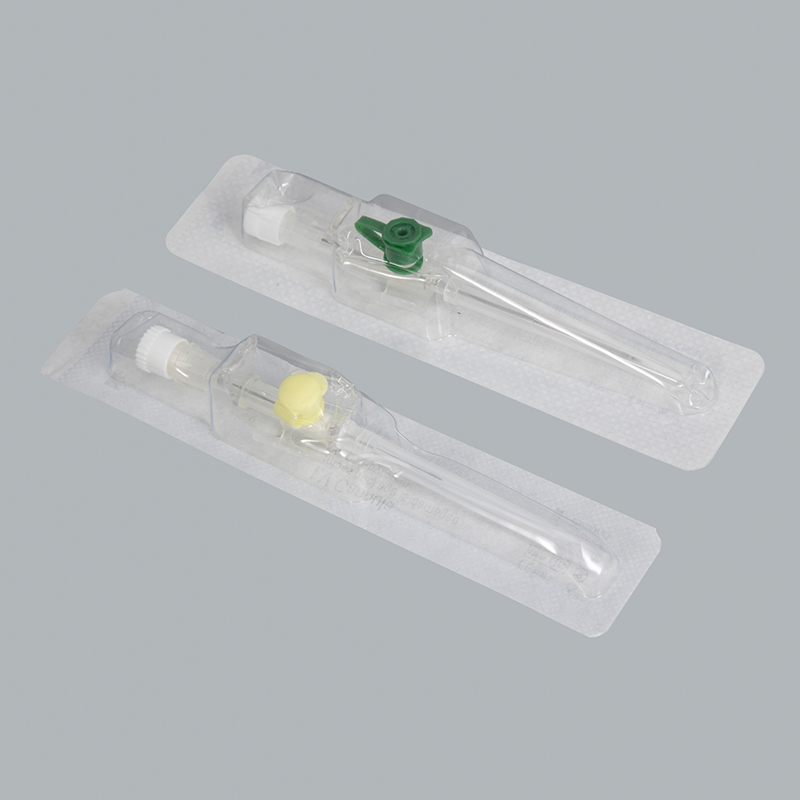
Common IV Cannula Sizes and Specifications
The gauge system measures IV cannula diameter, with lower numbers indicating larger cannulas that deliver higher flow rates. Here are the standard sizes used in adult patients:
| Gauge | Color | Outer Diameter | Flow Rate | Common Uses |
| 14G | Orange | 2.1 mm | 240 mL/min | Trauma, massive fluid resuscitation |
| 16G | Gray | 1.7 mm | 180 mL/min | Surgery, rapid volume replacement |
| 18G | Green | 1.3 mm | 90 mL/min | Blood transfusions, fluid resuscitation |
| 20G | Pink | 1.1 mm | 60 mL/min | Routine IV fluids, medications |
| 22G | Blue | 0.9 mm | 35 mL/min | General infusions, fragile veins |
Understanding Flow Rates
Flow rate represents the volume of fluid that can pass through the cannula per minute, measured in milliliters per minute (mL/min). The gauge size directly influences flow capacity—larger gauges deliver significantly higher flow rates. A 14-gauge cannula can deliver approximately 240 mL/min, while a 22-gauge delivers only 35 mL/min. This relationship follows the principle that larger catheter diameters lead to increased flow rates, which is essential for understanding clinical applications.
Flow rates are also affected by additional factors beyond gauge size, including infusion-set height, fluid type, and patient blood pressure. For example, more viscous fluids like hetastarch demonstrate lower flow rates compared to crystalloid solutions such as normal saline.
Clinical Applications and Selection Guidelines
Emergency and Trauma Situations
14-gauge cannulas are the preferred choice in emergency departments and trauma settings where rapid fluid resuscitation is paramount. These large-bore cannulas enable maximum flow rates, facilitating quick administration of blood products, medications, and crystalloid solutions during critical situations.
Surgery and Critical Care
16-gauge and 18-gauge cannulas are recommended for surgical and intensive care settings. The 16-gauge provides rapid volume replacement capability with a 180 mL/min flow rate, while the 18-gauge offers a balanced approach with 90 mL/min flow rate, suitable for both fluid administration and blood transfusions.
Blood Transfusions
18-gauge to 20-gauge cannulas are preferred for blood transfusions to prevent hemolysis and ensure efficient flow. The 18-gauge is optimal when rapid transfusion is needed, while the 20-gauge remains acceptable for routine transfusions according to institutional protocols.
Routine Hospital Use
For general hospital scenarios requiring a balance between fluid delivery and patient comfort, 18-gauge or 20-gauge cannulas are standard choices. These sizes accommodate most routine IV medications and fluids while minimizing patient discomfort and reducing complication risks.
Elderly and Fragile Vein Patients
22-gauge and 24-gauge cannulas are recommended for adult patients with fragile or difficult-to-access veins. These smaller gauges reduce vein trauma and complications, making them ideal for elderly populations, though they sacrifice flow rate capacity compared to larger sizes.
How to Select the Right IV Cannula
Proper cannula selection requires assessment of several clinical factors:
Patient Vein Assessment: Evaluate vein size, condition, and accessibility. Larger, more prominent veins can accommodate larger-gauge cannulas, while small or fragile veins require smaller sizes.
Clinical Condition: Consider the patient’s diagnosis and treatment urgency. Emergency situations demand larger gauges for rapid administration, while stable patients can use smaller sizes.
Intended Purpose: Determine whether the IV is for routine medications, fluid resuscitation, blood products, or contrast administration. Blood transfusions and contrast studies typically require 18-20 gauge cannulas.
Patient Age and Health Status: Elderly patients, those with chronic conditions, or those receiving multiple IV attempts benefit from careful gauge selection to minimize vein damage.
Institutional Protocols: Always verify your facility’s preferred IV sizes and guidelines, as protocols vary between institutions.
Clinical Considerations
The color-coding system serves as a critical safety feature, allowing healthcare providers to quickly identify cannula sizes and reduce the risk of errors in clinical settings. This standardization enhances workflow efficiency and supports rapid decision-making in time-sensitive situations.
Selecting the correct IV cannula size ensures optimal clinical outcomes, improves patient comfort, reduces complications, and supports efficient treatment delivery. Whether in routine practice or emergencies, the proper understanding and application of IV cannula selection principles plays a vital role in successful patient care.
Healthcare professionals should regularly review these guidelines and institutional protocols to maintain competency in IV cannula selection and placement.
Post time: Feb-24-2026