




Vaccination programs and healthcare systems worldwide face a common challenge: preventing syringe reuse and reducing the spread of blood-borne infections. To address this issue, healthcare providers increasingly rely on AD syringes (Auto-Disable Syringes), a specialized type of injection device designed for single-use safety.
As global demand for safe medical consumables continues to grow, AD syringes have become an essential medical device for immunization campaigns, hospitals, clinics, and public health organizations.
In this article, we'll explain what an AD syringe is, compare it with regular syringes, and explore the key benefits of using auto-disable technology.
What Is an AD Syringe?
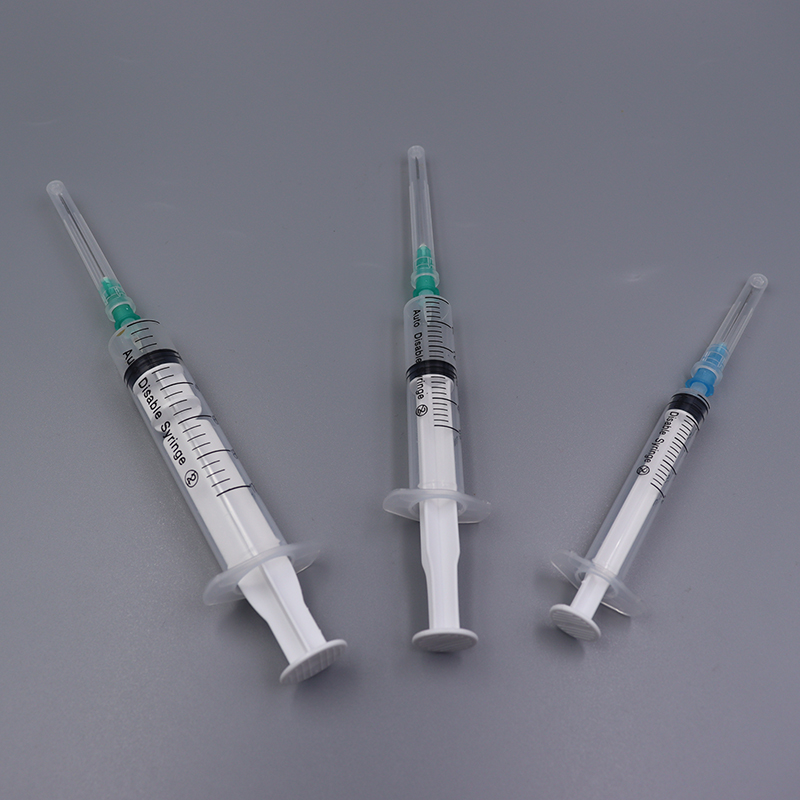
An AD syringe, also known as an auto-disable syringe, is a single-use injection device designed with a built-in mechanism that automatically locks or disables the syringe after one injection.
Unlike a standard disposable syringe, which can potentially be reused if not properly discarded, an AD syringe physically prevents repeated use. Once the plunger reaches the end of its stroke, the locking mechanism activates, making the syringe unusable for another injection.
Key Features of AD Syringes
| Feature | AD Syringe |
| Single-use design | Yes |
| Reuse prevention | Automatic |
| Sterile packaging | Yes |
| Suitable for vaccination | Yes |
| WHO recommended for immunization | Yes |
| Reduces cross-contamination risk | Yes |
Because of these features, AD syringes are widely used in vaccination programs supported by international organizations such as WHO and UNICEF.
How Does an Auto-Disable Syringe Work?
Although designs vary among manufacturers, most auto-disable syringes use one of the following mechanisms:
1. Plunger Locking System
After the medication is fully delivered, the plunger locks permanently inside the barrel, preventing retraction.
2. Breakable Plunger
The plunger rod snaps when excessive force is applied after injection, making reuse impossible.
3. Internal Retention Ring
A special locking ring catches the plunger at the end of the injection process and disables further operation.
These mechanisms operate automatically and do not require additional steps from healthcare workers.
AD Syringe vs Regular Syringe
Many healthcare facilities still use conventional disposable syringes for various procedures. However, there are important differences between standard syringes and AD syringes.
| Feature | AD Syringe | Regular Disposable Syringe |
| Designed for single use | Yes | Yes |
| Physically prevents reuse | Yes | No |
| Vaccination programs | Highly recommended | Limited |
| Infection control | Excellent | Good |
| Risk of intentional reuse | Extremely low | Possible |
| Public health protection | High | Moderate |
| Cost per unit | Slightly higher | Lower |
While both products are intended for one-time use, only AD syringes provide a mechanical barrier against reuse.
Benefits of Using AD Syringes
1. Prevents Syringe Reuse
The primary advantage of an auto-disable syringe is its ability to eliminate syringe reuse.
In some regions, inadequate disposal practices can lead to accidental or intentional reuse of injection equipment. Reusing a syringe significantly increases the risk of transmitting infectious diseases.
Since an AD syringe automatically locks after a single injection, healthcare workers and patients gain an additional layer of protection.
Result:
✔ One injection per patient
✔ No possibility of reuse
✔ Improved patient safety
2. Reduces the Spread of Blood-Borne Diseases
Unsafe injection practices can transmit serious infections, including:
Hepatitis B
Hepatitis C
HIV/AIDS
Other blood-borne pathogens
By preventing syringe reuse, AD syringes help break the chain of disease transmission and improve infection control in healthcare settings.
This is especially important during mass immunization campaigns involving thousands or millions of injections.
3. Supports Global Vaccination Programs
Most international vaccination initiatives now recommend or require the use of AD syringes.
They are commonly used for:
Childhood immunization
COVID-19 vaccination
Influenza vaccination
Travel vaccines
Public health campaigns
The World Health Organization strongly encourages the use of auto-disable technology to improve injection safety worldwide.
4. Improves Healthcare Worker Confidence
Healthcare professionals can focus on patient care without worrying about whether a syringe might be reused accidentally.
The built-in safety mechanism:
Simplifies compliance procedures
Reduces human error
Enhances workplace safety
Improves overall injection quality
For hospitals and clinics, this translates into more reliable and standardized injection practices.
5. Enhances Patient Trust
Patients today are increasingly aware of infection risks and medical safety standards.
Using AD syringes demonstrates a healthcare provider's commitment to:
Patient safety
Infection prevention
Quality healthcare services
Visible safety measures can increase patient confidence and strengthen the reputation of healthcare facilities.
6. Meets International Safety Standards
Many government health agencies and international organizations recommend or mandate AD syringes for immunization programs.
Healthcare facilities that use AD syringes are often better positioned to comply with:
WHO recommendations
UNICEF procurement requirements
National vaccination guidelines
Public health regulations
Compliance helps improve healthcare quality and reduce liability risks.
7. Cost-Effective in the Long Term
Although AD syringes may have a slightly higher purchase price than standard disposable syringes, they can reduce costs associated with:
| Potential Cost | Impact Reduction |
| Infection treatment | High |
| Disease outbreaks | High |
| Medical liability | Moderate |
| Public health interventions | High |
| Waste from unsafe practices | Moderate |
When considering total healthcare costs, AD syringes often provide significant long-term value.
Common Applications of AD Syringes
AD syringes are widely used in various healthcare settings.
| Application | Typical Use |
| Vaccination programs | Routine immunization |
| Hospitals | Injectable medications |
| Clinics | Outpatient treatment |
| Public health campaigns | Mass vaccination |
| NGOs and humanitarian projects | Community healthcare |
| Emergency response programs | Disease prevention |
Their reliability makes them one of the most important medical supplies in global healthcare systems.
How to Choose a Reliable AD Syringe Manufacturer
Selecting the right AD syringe manufacturer is critical for ensuring product quality and patient safety.
When evaluating suppliers, consider:
Quality Certifications
Look for manufacturers with:
ISO 13485 certification
CE marking
FDA registration (where applicable)
Production Capacity
Large-scale vaccination projects require stable supply and consistent quality.
Sterilization Standards
Ensure products are manufactured under strict sterile conditions.
Product Range
A reputable supplier should offer various syringe sizes to meet different clinical requirements.
Export Experience
Manufacturers with international distribution experience often provide better regulatory support and documentation.
Companies such as Shanghai Teamstand supply a wide range of disposable medical products, including AD syringes and other healthcare consumables for global markets. Working with an experienced supplier can help healthcare distributors and procurement organizations ensure product quality and supply continuity.
Conclusion
AD syringes have become a critical tool in modern healthcare because they provide an effective solution to one of the industry's most important safety concerns—syringe reuse.
Compared with a traditional disposable syringe, an auto-disable syringe offers enhanced infection control, improved patient safety, support for vaccination programs, and compliance with international healthcare standards.
As healthcare providers continue to prioritize safety and quality, demand for AD syringes is expected to grow worldwide. Choosing a trusted AD syringe manufacturer can help ensure reliable performance, regulatory compliance, and better outcomes for both healthcare professionals and patients.
An AD syringe (Auto-Disable Syringe) is a single-use syringe designed to automatically lock or disable after one injection, preventing reuse and improving patient safety.
A regular disposable syringe is intended for one-time use but can potentially be reused. An auto-disable syringe contains a built-in mechanism that physically prevents reuse after injection.
AD syringes help prevent cross-contamination and the spread of blood-borne diseases, making them ideal for large-scale immunization and public health campaigns.
Yes, AD syringes typically cost slightly more than standard disposable syringes. However, they can reduce healthcare costs associated with infection control and disease transmission.
AD syringes are commonly available in sizes such as 0.05 mL, 0.5 mL, 1 mL, and 2 mL, depending on the intended medical application and vaccine requirements.
Look for manufacturers with certifications such as ISO 13485 and CE marking, strong quality control systems, export experience, and the ability to provide sterile, compliant medical consumables.
WANT TO WORK WITH US?

Author: EMMA
Marketing Manager
Hello, I'm Emma, serving as the Marketing Manager at Shanghai Teamstand Corporation. With over 10 years' experience in the medical industry. Our dedicated team is eager to offer you good service and high quality products with competitive price.
Mob: (00)86-18621901943
Email: sales@teamstandmed.com
Post time: Jun-08-2026