



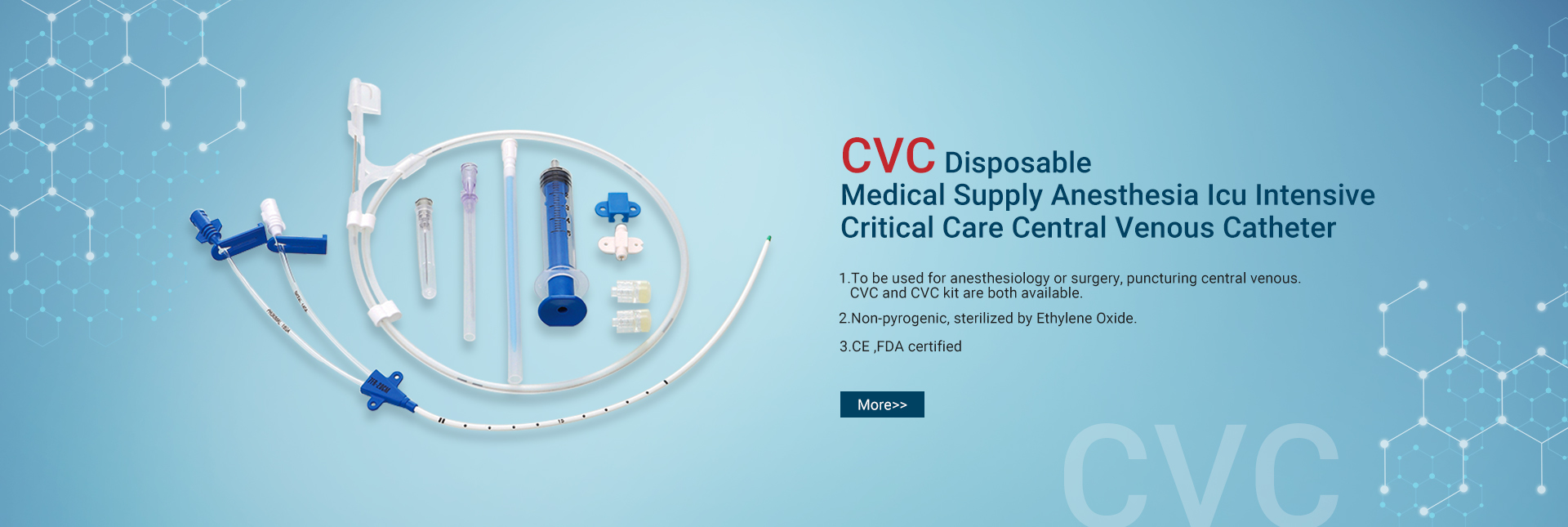
China High Flow Nasal Cannula ODM Suppliers for Optimal Respiratory Care
When it comes to sourcing high-quality medical equipment, the China High Flow Nasal Cannula stands out. I'm impressed by its innovative design, which ensures optimal oxygen delivery for patients requiring respiratory support. As a B2B purchaser, I appreciate the importance of reliability and efficacy in healthcare supplies, and this product certainly meets those standards. Partnering with ODM suppliers in China means I get access to customizable solutions tailored to specific needs. These suppliers have a track record of excellence, allowing me to focus on providing the best care possible without worrying about product quality. The versatility of the high flow nasal cannula makes it suitable for various clinical settings, enhancing patient comfort and outcomes. With competitive pricing and the ability to scale production, collaborating with reputable manufacturers ensures I have the resources to meet the increasing demands of the healthcare sector. Investing in this product is a step toward improving patient care and advancing respiratory therapy in my practice.
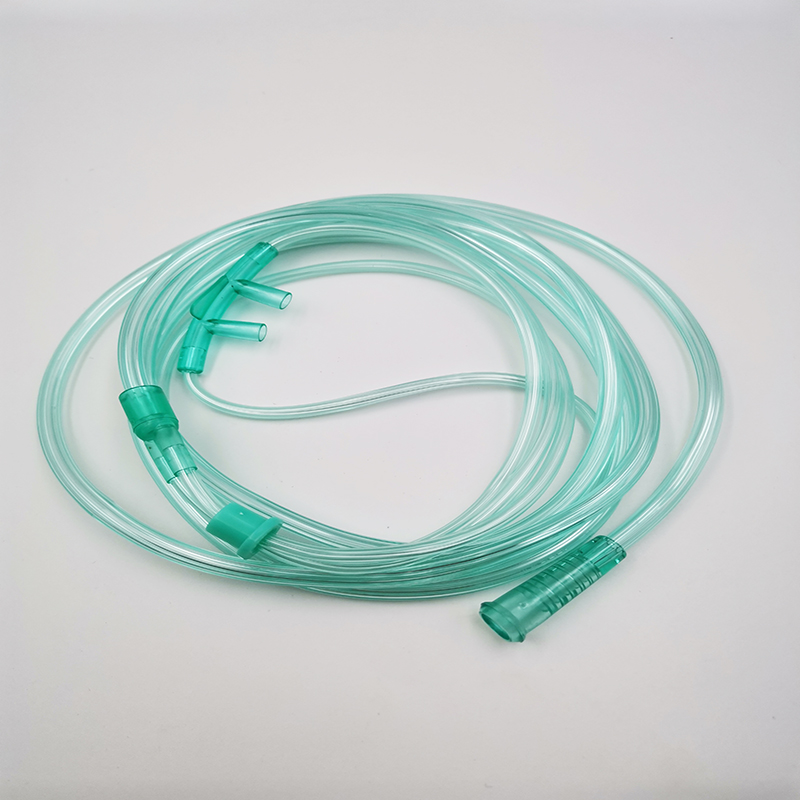

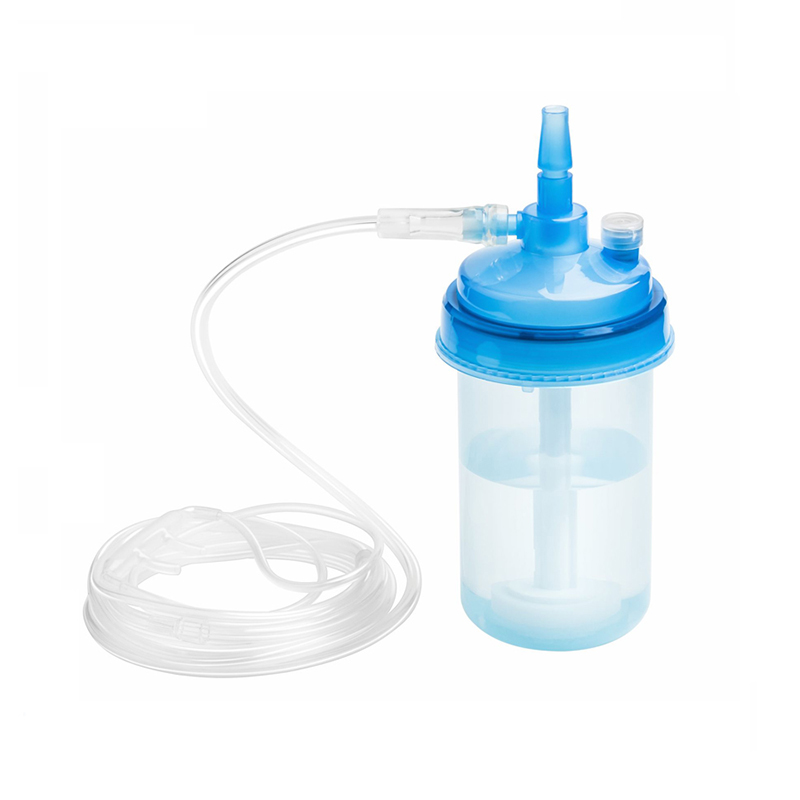


China High Flow Nasal Cannula Products Industry Giant
As the demand for effective respiratory solutions continues to rise globally, high flow nasal cannula (HFNC) products have emerged as a critical element in enhancing patient care, particularly in hospitals and healthcare settings. High flow nasal cannulas provide a comfortable and efficient means to deliver oxygen therapy while ensuring optimal ventilation. This innovative technology is particularly beneficial for patients suffering from respiratory distress, making it essential for healthcare providers to source reliable and high-quality products. China has positioned itself as a key player in the HFNC products industry, with a focus on developing advanced solutions that meet international health standards. The country boasts a robust manufacturing infrastructure that enables companies to produce cutting-edge equipment at competitive prices. As global procurement managers search for reliable partners, they should consider the innovations and quality assurance measures employed by Chinese manufacturers, which are driven by rigorous testing and adherence to quality regulations. In addition to quality and affordability, global purchasers should recognize the importance of collaboration with manufacturers that offer comprehensive support and after-sales service. Establishing long-term partnerships can lead to improved supply chain efficiency and enhanced customer satisfaction. As the landscape of healthcare continues to evolve, embracing advancements in HFNC technology will not only benefit healthcare professionals but also significantly improve patient outcomes worldwide.
China High Flow Nasal Cannula Products Industry Giant
| Product Type | Application Area | Material | Flow Rate (L/min) | Comfort Level | Regulatory Compliance |
|---|---|---|---|---|---|
| Standard High Flow Cannula | General Care | PVC | 30-60 | High | ISO 13485 |
| Pediatric High Flow Cannula | Pediatric Care | Silicone | 20-40 | Very High | FDA Approved |
| Adult High Flow Cannula | Critical Care | Latex-free | 40-80 | Medium | CE Marked |
| High-Performance Cannula | Emergency Medicine | Polyurethane | 60-100 | Extreme Comfort | World Health Organization |
Related Products

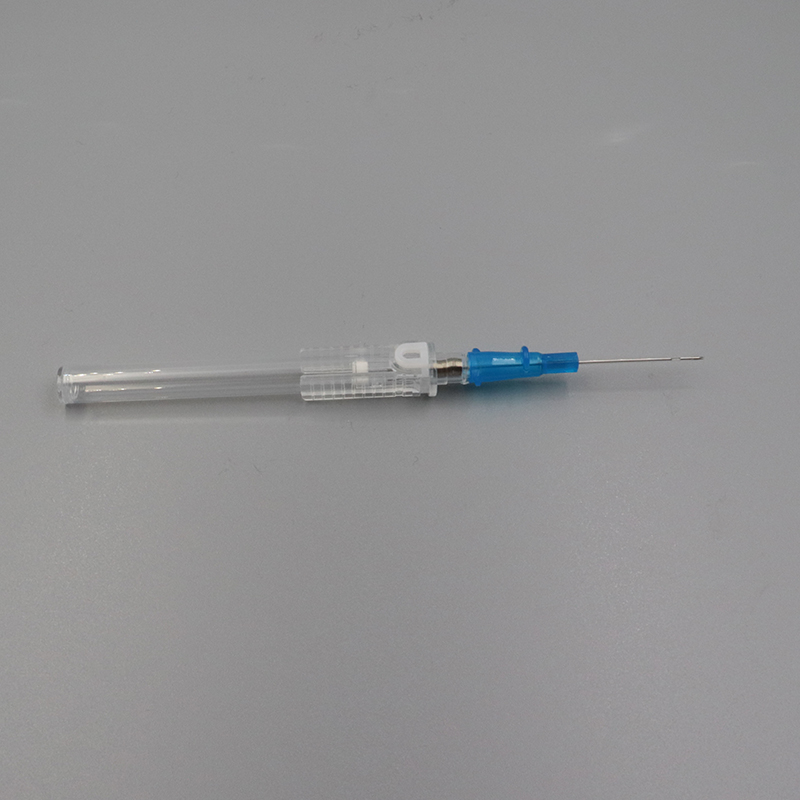

China High Flow Nasal Cannula Application Products
Top Selling Products








- Related Blog
- Reviews
