



Featured Products for Port Access & Infusion Therapy
 Bouffant Nonwoven PP Cap Shower Bathing Hotel Cap Round Cap Head Hair Cap Nurse Doctor Cap Medical Surgical Cap
 Multi-Function Medical Surgical Nutrition Enteral Feeding Pump
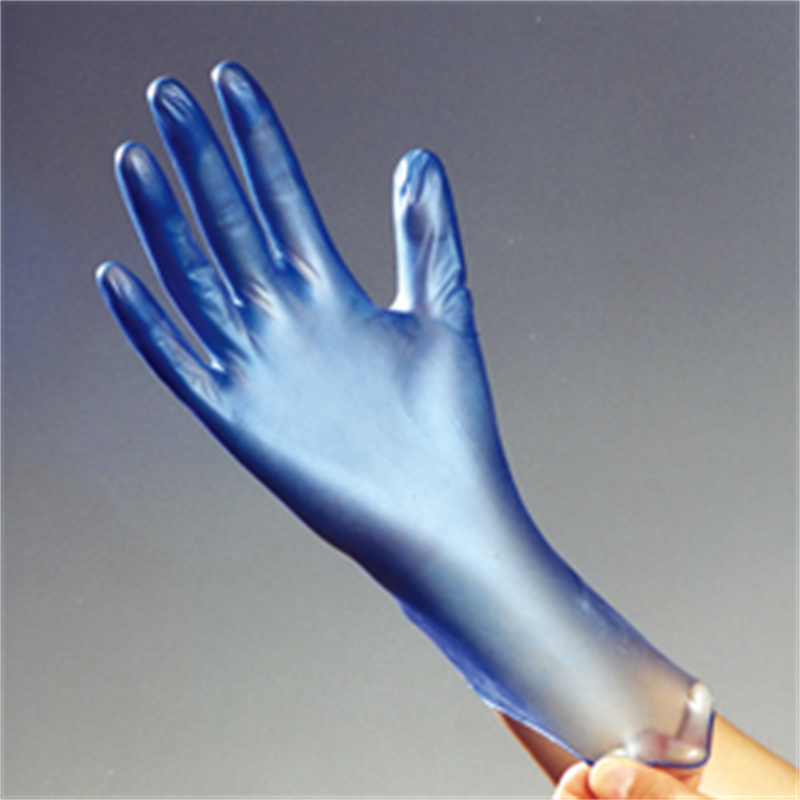 Safety Protective Powder Free Disposable Vinyl Gloves For Examination
 Disposable Medical PVC Stomach Feeding Tube With CE Certificate
💉What Is a Non Coring Huber Needle for Port Access?
A non coring Huber needle for port access is a specially engineered hypodermic needle designed with a deflected, offset-point tip that penetrates silicone septums of implanted vascular access ports (VAPs) without removing a core of silicone material. Unlike conventional beveled needles that cut and extract a plug of septum material — causing irreversible damage over repeated use — the unique angled tip of a Huber needle parts the silicone fibers and allows them to reseal after the needle is withdrawn. This fundamental design difference is what makes the non coring Huber needle indispensable in modern oncology, long-term infusion therapy, and chronic disease management.
Implanted ports are typically placed subcutaneously in the chest, arm, or abdomen and connected to a central venous catheter. They are used to administer chemotherapy, antibiotics, parenteral nutrition, blood products, and contrast media, as well as for blood draws. The implanted port system is preferred for patients requiring repeated venous access over months or years because it reduces the risk of infection compared to external catheters, improves patient quality of life, and eliminates the daily burden of external line maintenance.
Non coring Huber needles for port access are available in a wide range of gauge sizes (typically 19G to 22G), lengths (from 0.5 inch to 2.0 inches), and configurations (straight or angled/90°), giving clinicians the flexibility to choose the most appropriate needle for each patient's anatomy and clinical application. Angled Huber needles are most commonly used for infusions and blood draws because they lie flat against the skin and allow secure dressing application, while straight Huber needles are typically reserved for single-use injections.
The Engineering Behind Non Coring Technology
The defining feature of the non coring Huber needle is its precisely machined, deflected tip geometry. The needle's point is ground at an angle that causes the sharp tip to push aside — rather than sever — the polymer chains within the silicone septum. When the needle is removed, the elastic memory of the silicone causes the displaced fibers to return to their original orientation, effectively self-sealing the puncture site.
Modern non coring Huber needles for port access incorporate several additional engineering refinements:
- Thin-wall tubing: High-strength stainless steel allows for a thinner wall thickness, maximizing the inner lumen diameter for a given gauge — improving flow rates without increasing needle diameter or patient discomfort.
- Silicone lubrication: Many Huber needles feature a silicone-coated shaft that reduces insertion force and minimizes septum stress during penetration.
- Echogenic tip marking: Advanced models include etched or coated tips for enhanced ultrasound visibility, enabling image-guided access in difficult anatomical locations.
- Safety mechanisms: Passive and active needle safety devices — including retractable sheaths and hinged protective guards — are increasingly integrated into Huber needle designs to meet occupational safety requirements and reduce needlestick injury risk for healthcare workers.
- Transparent flashback chambers: Allow instant visual confirmation of correct port entry by displaying a blood flashback when the needle tip enters the port reservoir.
Market Overview: Non Coring Huber Needle Industry Landscape
The global market for non coring Huber needles and implanted vascular access port systems has grown significantly in recent years, driven by the rising incidence of cancer requiring chemotherapy, increasing adoption of home infusion therapy, and growing awareness of central venous access best practices. According to industry analyses, the global vascular access devices market was valued at over USD 5.2 billion in 2023, with implanted port and Huber needle segments representing a substantial and growing share.
Annual Market Growth
The implanted port and Huber needle market is projected to grow at a CAGR exceeding 8% through 2030, fueled by oncology treatment expansion globally.
Countries Served
Leading manufacturers distribute non coring Huber needles to hospitals, oncology centers, and infusion clinics across more than 120 countries worldwide.
Punctures per Port
Properly designed non coring Huber needles can allow a single implanted port septum to be accessed up to 2,000 times without failure.
Standard Gauge Range
Non coring Huber needles are produced in multiple gauge sizes to accommodate different clinical flow rate requirements and patient populations.
Commercial and Industrial Development Trends
The non coring Huber needle segment is evolving rapidly as manufacturers respond to demands for improved safety, patient comfort, and clinical efficiency. Several key development trends are shaping the competitive landscape:
- Integrated safety engineering: Regulatory requirements in the United States (OSHA Bloodborne Pathogens Standard), Europe (EU Directive 2010/32/EU on needlestick prevention), and many other markets now mandate that healthcare facilities use safety-engineered sharp devices. This has accelerated the development and adoption of safety Huber needles with passive or active protective mechanisms, representing the fastest-growing sub-segment of the market.
- Miniaturization and low-profile design: Manufacturers are engineering ultra-low-profile angled Huber needles that lie closer to the skin surface, improving patient comfort during extended dwell times of 5–7 days between changes.
- Power-injectable Huber needles: With the widespread use of CT-guided imaging requiring high-pressure contrast injection, demand for Huber needles rated for power injection (up to 300 psi) has grown substantially. These high-pressure-rated needles require precision manufacturing and rigorous pressure testing.
- Antimicrobial and anti-infective coatings: Research into chlorhexidine, silver, and other antimicrobial coatings for Huber needle hubs and tubing is addressing catheter-related bloodstream infection (CRBSI) risks associated with port access procedures.
- Digital integration: Emerging smart infusion systems are beginning to integrate RFID-tagged Huber needles that communicate with infusion pumps and electronic health record (EHR) systems, enabling automated documentation of access events, dwell times, and infusion parameters.
- Biosafe polymer hubs: Transitioning from PVC-based components to phthalate-free, latex-free polymer hubs improves biocompatibility and aligns with global moves to reduce harmful plasticizer exposure in medical devices.
In-Depth Application Scenarios for Non Coring Huber Needles
Oncology & Chemotherapy
The most widespread use case. Non coring Huber needles provide reliable access for cyclic chemotherapy regimens, reducing vein trauma and enabling repeated access over months or years of treatment.
Total Parenteral Nutrition (TPN)
Patients with gastrointestinal failure requiring long-term parenteral nutrition benefit from implanted ports accessed with Huber needles, enabling safe delivery of hyperosmolar nutritional solutions.
Blood Sampling & Transfusion
Implanted ports allow frequent blood draws with minimal discomfort, eliminating the need for repeated peripheral venipuncture in patients with difficult venous access or frequent monitoring needs.
Antibiotic & Antifungal Therapy
Long-term IV antibiotic therapy for endocarditis, osteomyelitis, and fungal infections often requires reliable central access over weeks — Huber needle port access is the gold standard for outpatient and home IV therapy programs.
CT Contrast Injection
Power-injectable implanted ports accessed with pressure-rated Huber needles allow high-flow contrast media delivery for CT angiography and PET-CT imaging protocols.
Home Infusion Therapy
The growth of home-based infusion services means trained patients or caregivers are increasingly accessing ports with Huber needles at home, driving demand for simpler, safer needle designs with intuitive safety mechanisms.
Selecting the Right Non Coring Huber Needle for Port Access
Choosing the appropriate Huber needle requires careful consideration of multiple patient and clinical factors:
- Port depth: The needle length must be sufficient to reach the port reservoir through the subcutaneous tissue without excessive protrusion risk. Measurement of port depth using palpation or ultrasound guides length selection (typically 0.75 to 1.5 inches for most adult patients).
- Gauge selection: Smaller gauges (21G–22G) minimize septum damage and are suitable for hydration, blood draws, and low-viscosity infusions. Larger gauges (19G–20G) support higher flow rates required for TPN, blood products, or power injection.
- Configuration: Angled (90°) Huber needles are preferred for multi-day dwell applications; straight Huber needles are used for single bolus injections. Some angled designs feature built-in extension tubing, clamps, and injection caps for complete closed-system access.
- Safety device type: Active safety mechanisms require deliberate activation by the user; passive mechanisms self-activate upon needle withdrawal — passive devices typically achieve higher compliance and are preferred in high-volume settings.
- Sterile packaging and shelf life: High-quality non coring Huber needles are individually packaged in EO-sterilized blister packs with clearly marked expiration dates and lot tracking for full traceability.
Clinical Best Practices for Non Coring Huber Needle Port Access
Correct technique is as important as device selection in achieving safe, effective port access with a non coring Huber needle:
- Palpate the port septum through the skin to identify the access site before cleansing and needle insertion.
- Cleanse the skin over the port with an appropriate antiseptic (chlorhexidine preferred) using a 30-second scrub followed by full drying time.
- Apply firm, downward pressure to stabilize the port during needle insertion — push the Huber needle perpendicular to the septum until it contacts the back of the port reservoir.
- Confirm placement by aspirating blood return before initiating any infusion.
- Secure the needle with an appropriate transparent dressing to allow visual inspection of the access site.
- Change the Huber needle every 5–7 days (per institutional protocol) during continuous infusions; remove immediately after single-use access events.
- Always use the activated safety mechanism before disposal to prevent needlestick injuries.
Global Supply Chain and Quality Standards
Non coring Huber needles intended for port access are Class II medical devices in most regulatory jurisdictions. In the United States, they are subject to FDA 510(k) clearance requirements. In Europe, CE marking under the EU Medical Device Regulation (MDR 2017/745) is required. In China, NMPA registration is mandatory. Quality management system certification to ISO 13485 is an industry baseline requirement for all manufacturers.
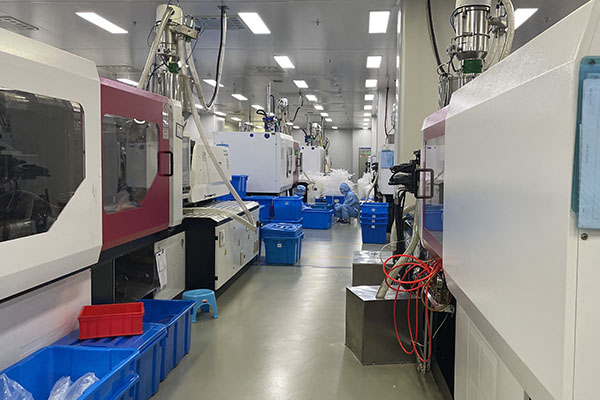
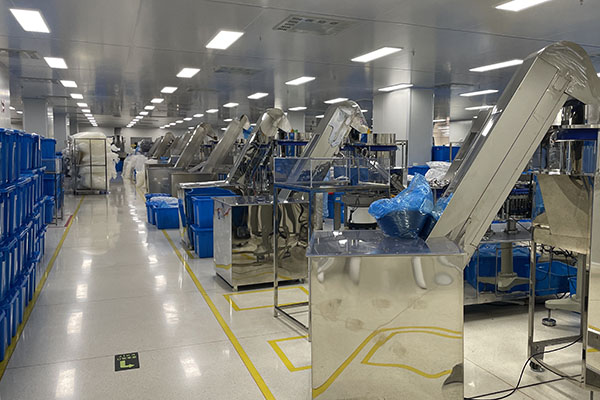
Leading contract manufacturers and suppliers — including those in China's Zhejiang, Jiangsu, and Guangdong provinces — have invested heavily in cleanroom manufacturing environments (ISO Class 7 and 8), precision needle grinding and tipping equipment, automated assembly lines, and validated EO sterilization facilities to meet global demand while maintaining compliance with international quality standards.
As a trusted medical product supplier, Shanghai Teamstand Corporation leverages its network of over 100 qualified partner manufacturers to source and supply high-quality non coring Huber needles and complementary port access products to hospitals, oncology centers, and infusion therapy providers across more than 120 countries.
Our Vision & Mission
OUR VISION
To become Top 10 medical supplier in China — delivering world-class medical products including non coring Huber needles for port access to healthcare providers globally.
OUR MISSION
For your health. We are committed to improving and extending people's lives through innovation, quality, and reliable medical supply solutions.
Company Profile
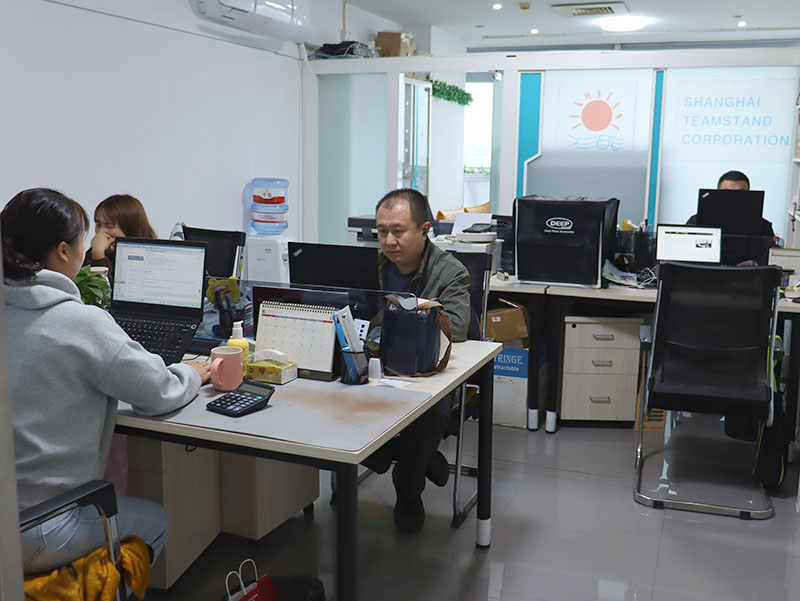
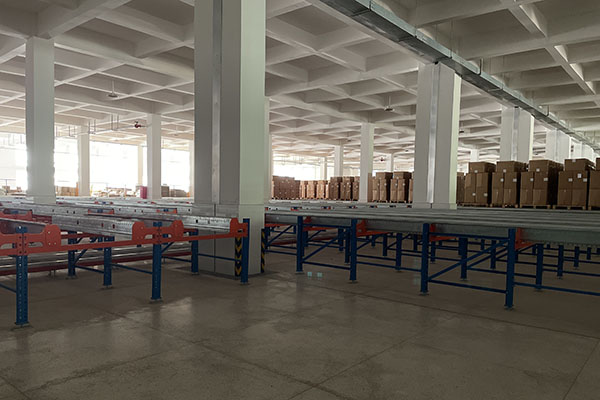
SHANGHAI TEAMSTAND CORPORATION, Headquartered in Shanghai, is a professional supplier of medical products and solutions. "For your health", deeply rooted in everyone's hearts of our team, we focus on innovation and provides healthcare solutions that improves and extends people's lives. We are both a manufacturer and exporter. With over 10 years' experience in healthcare supply, two factories in Wenzhou and Hangzhou, over 100 partner manufacturers, which enable us to provide our customers with widest selection of products, consistently low pricing, excellent OEM services and on-time delivery for customers.
Relying on our own advantages, we have so far become the supplier appointed by Australian Government Department of Health (AGDH) & California Department of Public Health (CDPH) and ranked in Top 5 Players of Infusion, Injection & paracentesis products in China.
Up to 2026, we had delivered products to our customers in over 120 countries, such as, USA, EU, Middle East, Southeast Asia, etc., annual turnover is over USD 300 million.
Our responsiveness and commitment to our customers' needs is evident in our actions every day. This is who we are and the reason why customers choose us as their trusted, integrated business partner.
With over 10 years' experience in medical industry, we have exported to USA, EU, Middle East, Southeast Asia etc total more than 120 countries. And we have gained good reputation among all of these customers for good service and competitive price.
Headquartered in Shanghai, the biggest and modernized city in China, TEAMSTAND invests 2 factories in Shandong and Jiangsu, and cooperates with over 100 factories in China. "Top 10 medical supplier in China" is our goal. It is believed that, with the professional workers, good management, advanced equipment and strict quality control system, we can do better and better in the future.
Welcome all friends and customers all over the world in medical industry to contact us!
Years of Medical Industry Experience
Countries Served Worldwide
Partner Manufacturers in China
Annual Turnover (USD)
Our Advantage

Highest Quality
Quality is the most important requirement for medical products. To ensure only the highest quality products, we work with the most qualified factories. Most of our products have CE, FDA certification, we guarantee your satisfaction on our entire product line.

Excellent Service
We offer complete support from the beginning. Not only do we offer a wide variety of products for different demands, but our professional team can assist in personalized medical solutions. Our bottom line is to provide customer satisfaction.

Competitive Pricing
Our goal is to achieve long-term cooperation. This is accomplished not only through quality products, but also striving to provide the best pricing to our customers.

Responsiveness
We are eager to help you with whatever you may be looking for. Our response time is quick, so feel free to contact us today with any questions. We look forward to serving you.
Factory Tour
More Products for Port Access & Infusion Therapy
Bouffant Nonwoven PP Cap Shower Bathing Hotel Cap Round Cap Head Hair Cap Nurse Doctor Cap Medical Surgical Cap
Multi-Function Medical Surgical Nutrition Enteral Feeding Pump
Safety Protective Powder Free Disposable Vinyl Gloves For Examination
Disposable Medical PVC Stomach Feeding Tube With CE Certificate
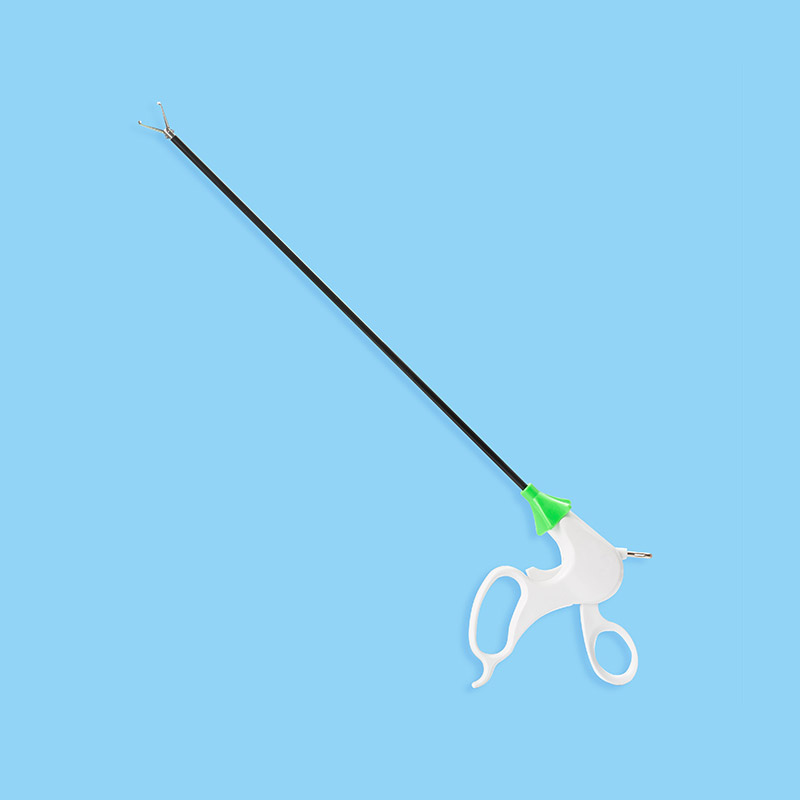 Laparoscopic Instrument Green Knob Disposable Laparoscopic Graspers with Ratchet
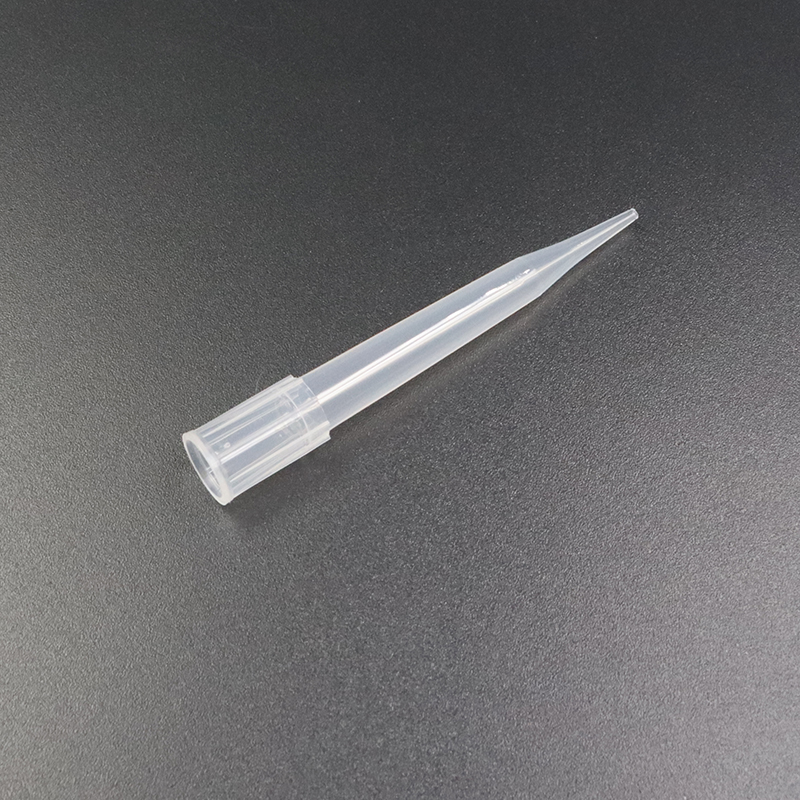 Medical Lab Use Plastic Pasteur Pipette Tips with Factory Price
 Medical Disposable Pediatric Urine Collector Urine Bag with CE, ISO Certificate
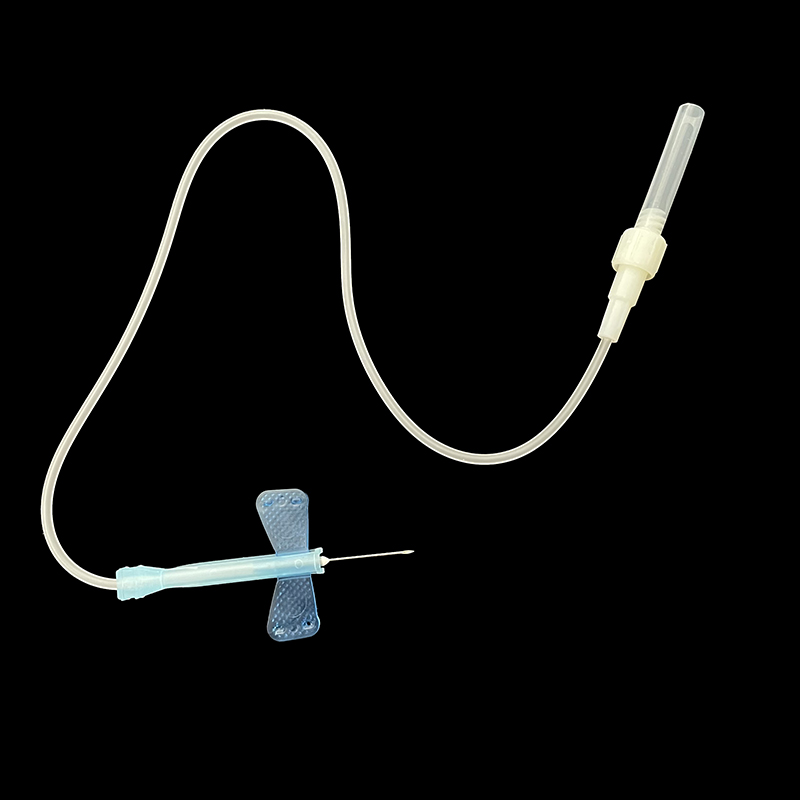 Medical Supply Disposable Multisample Butterfly Safety Blood Collection Needle
We've got a professional engineering team to serve for the every single detailed needs.
So that you can meet your desires, please really feel cost-free to contact us. You could send us emails and call us straight. Whether you are looking for non coring Huber needles for port access or any other medical supply solution, our team is ready to assist.