




Reliable venous access is essential for many clinical procedures, such as blood collection, medication delivery, and infusion therapy. Among the different venous access devices available, the scalp vein set is widely used in hospitals and clinics because it provides precise control and is easier to handle. It is especially suitable for patients with small, fragile, or difficult-to-access veins.
As an important medical devices, scalp vein sets are commonly used in hospitals, laboratories, and clinics worldwide. Understanding the scalp vein set uses, scalp vein set types, and scalp vein set sizes helps healthcare professionals and medical suppliers choose the most appropriate product for clinical needs.
This article provides a comprehensive overview of scalp vein sets, including their structure, applications, different types, sizes, and key factors to choose the right scalp vein set.
What Is a Scalp Vein Set?
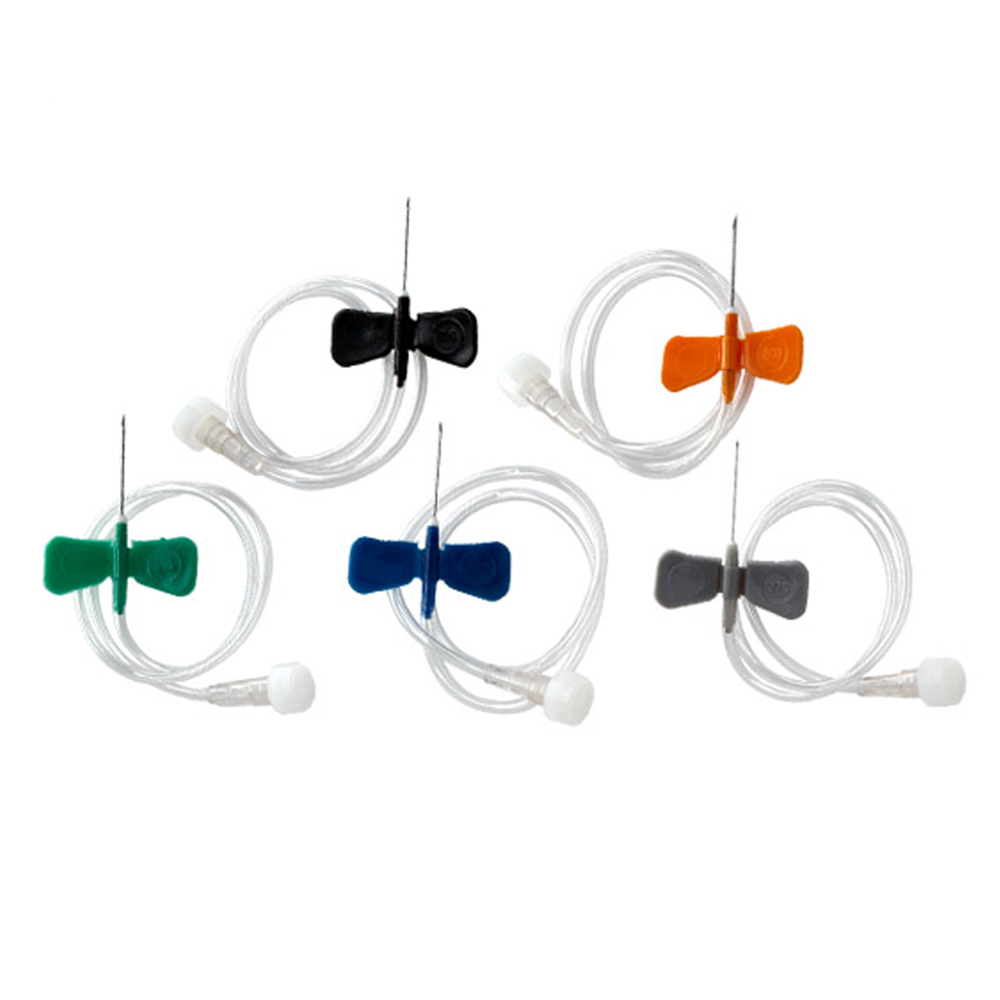
A scalp vein set, also known as a butterfly needle, is a medical device designed for venous access. It consists of a thin hypodermic needle attached to two flexible wings and connected to a length of tubing.
The wings allow healthcare professionals to hold the device securely during insertion, providing better control and reducing the risk of needle movement.
Main Components of a Scalp Vein Set
Stainless steel needle – designed for smooth venipuncture
Flexible wings – provide better grip and stability
Transparent tubing – allows visualization of blood flow
Connector or luer lock – used to connect with syringes, IV sets, or blood collection tubes
Because of its ergonomic design, the scalp vein set is particularly suitable for accessing small, delicate, or difficult veins.
Scalp Vein Set Uses
The scalp vein set uses are broad in clinical practice, making it one of the most commonly used blood collection devices and infusion tools.
1. Blood Collection
One of the most common scalp vein set uses is venous blood sampling, especially when the patient’s veins are small or difficult to access. The wings allow precise needle positioning, reducing the chance of vein collapse.
2. Intravenous Infusion
Scalp vein sets can be used for short-term intravenous infusion of medications or fluids.
3. Pediatric and Neonatal Care
Because infants and children have small and fragile veins, scalp vein sets are frequently used in pediatric and neonatal procedures.
4. Geriatric Patients
Elderly patients often have fragile veins, making scalp vein sets a safer option compared with standard needles.
5. Emergency Situations
In emergency care settings, scalp vein sets allow quick and controlled venous access.
Common Scalp Vein Set Types
There are different scalp vein set types to meet various clinical requirements. Which type to choose that depends on safety features, clinical application, and regulatory requirements.
This is the most commonly used type and features a simple needle with wings and tubing.
Features:
Cost-effective
Easy to use
Suitable for general venipuncture
Safety scalp vein sets include a needle protection mechanism that automatically covers the needle after use.
Advantages:
Reduces needle stick injuries
Improves healthcare worker safety
Meets stricter hospital safety regulations
3. Winged Infusion Set with Luer Lock
This type includes a luer lock connector, making it compatible with a wide range of syringes and infusion devices.
Table 1: Common Scalp Vein Set Types
| Type | Main Features | Typical Applications |
| Disposable Scalp Vein Set | Simple structure, economical | General blood collection |
| Safety Scalp Vein Set | Needle protection system | Hospitals with strict safety protocols |
| Luer Lock Scalp Vein Set | Secure connector design | IV infusion and blood sampling |
Scalp Vein Set Sizes
Another important factor when selecting a scalp vein set is the gauge. The scalp vein set sizes determine the needle diameter and flow rate.
The smaller the gauge number, the larger the needle diameter.
For example, a 19G needle is thicker than a 23G needle.
Different gauges are used depending on patient condition and medical procedure.
Table 2: Common Scalp Vein Set Sizes and Applications
Among these, 21G and 23G are the most widely used scalp vein set sizes in hospitals.
| Gauge Size | Color Code | Outer Diameter (mm) | Common Use |
| 18G | Green | 1.20 mm | Rapid fluid infusion, blood transfusion |
| 20G | Yellow | 0.90 mm | General IV infusion, medication |
| 21G | Green | 0.80 mm | Blood sampling, routine infusions |
| 22G | Black | 0.70 mm | Patients with small or fragile veins |
| 23G | Blue | 0.60 mm | Pediatric, geriatric, or difficult veins |
| 24G | Purple | 0.55 mm | Very small or superficial veins |
Key Factors to Choose the Right Scalp Vein Set
When purchasing medical consumables, hospitals, distributors, and procurement managers must evaluate several factors. Understanding the key factors to choose the right scalp vein set ensures safety, efficiency, and cost-effectiveness.
1. Needle Gauge Size
Selecting the correct scalp vein set size is essential for patient comfort and procedural success.
Larger gauges (18G–21G) allow faster fluid flow
Smaller gauges (23G–27G) are ideal for delicate veins
2. Safety Features
Many hospitals prefer safety scalp vein sets to reduce the risk of accidental needle stick injuries. Safety devices also help healthcare facilities comply with occupational safety regulations.
3. Tubing Length
The tubing length can vary depending on the manufacturer. Longer tubing provides more flexibility during procedures.
4. Material Quality
High-quality materials ensure durability and patient safety. Key components include:
medical-grade stainless steel needles
non-toxic plastic wings
kink-resistant tubing
5. Certification and Compliance
When sourcing scalp vein sets internationally, buyers should ensure the product meets required standards, such as:
ISO certification
CE marking
FDA registration
6. Manufacturer Reliability
Working with a reliable medical supply manufacturer ensures consistent product quality, stable supply, and competitive pricing.
Advantages of Using Scalp Vein Sets
Compared with traditional straight needles, scalp vein sets offer several advantages.
Better Control During Venipuncture
The winged design allows healthcare professionals to stabilize the needle, reducing movement during insertion.
Improved Patient Comfort
Smaller needle gauges help minimize pain and tissue damage.
Greater Precision
Scalp vein sets enable precise access to small or fragile veins.
Versatility
They can be used for both blood collection and infusion therapy, making them a versatile medical device.
Conclusion
The scalp vein set is an essential tool in modern healthcare. Its winged design, flexible tubing, and wide range of gauge sizes make it ideal for venipuncture, blood collection, and short-term infusion therapy.
Understanding the scalp vein set uses,types, and sizes helps healthcare professionals select the most appropriate device for different clinical situations.
For hospitals, distributors, and procurement specialists, evaluating the key factors to choose the right scalp vein set—such as gauge size, safety features, material quality, and certification—is crucial for ensuring patient safety and clinical efficiency.
Post time: Mar-09-2026