




Insulin delivery plays a critical role in diabetes management. Today, two of the most widely used insulin administration tools are the insulin pen injector and the insulin syringe. Both are essential medical devices designed to deliver insulin accurately and safely, but they differ significantly in structure, usability, cost, and clinical application.
For patients, caregivers, and healthcare providers—as well as distributors sourcing medical supply products—understanding the differences between these devices helps ensure safer insulin therapy and better treatment outcomes.
This article explains the key differences between an insulin pen injector vs insulin syringe, including components, advantages, limitations, and safety strategies for proper use.
What Is an Insulin Pen Injector?
An insulin pen injector is a portable injection device designed to deliver insulin in a convenient, precise, and user-friendly way. It looks similar to a writing pen and allows users to dial the required insulin dose before injection.
Insulin pens are widely used in both hospital and home-care environments because they improve dosing accuracy, increase patient confidence, and enhance treatment adherence.
Compared with traditional insulin syringes, insulin pens simplify the injection process by eliminating the need to draw insulin manually from a vial.
There are two main types of insulin pens:
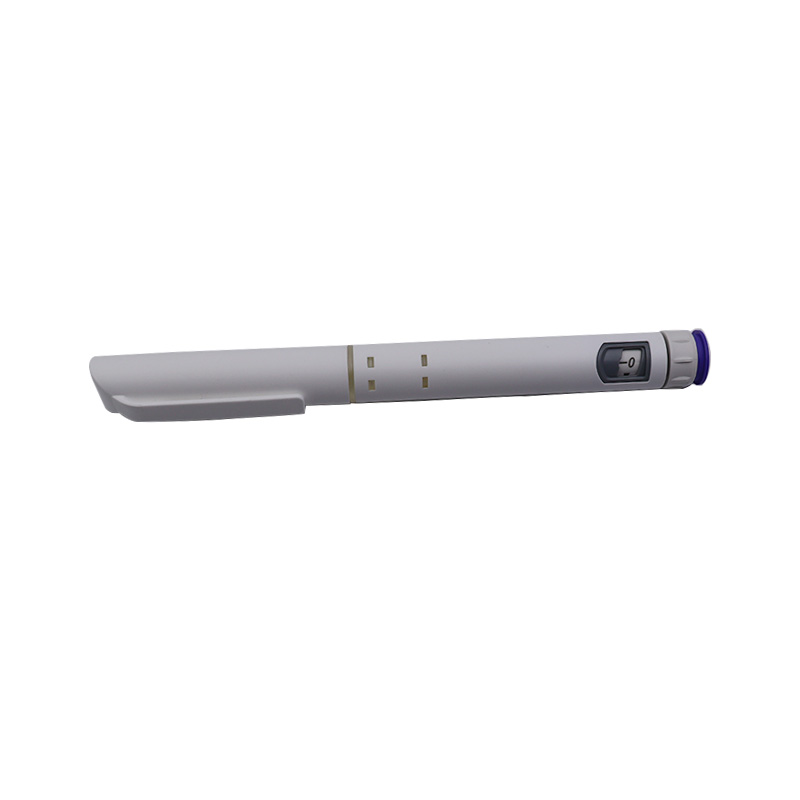
Reusable insulin pens (replaceable cartridges)
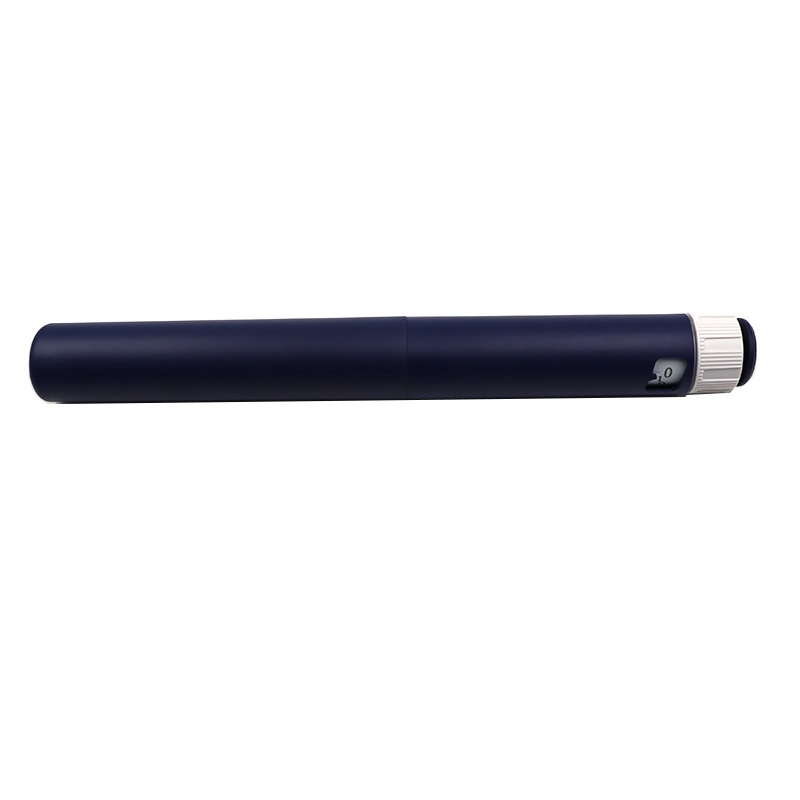
Both types are common in modern diabetes therapy.
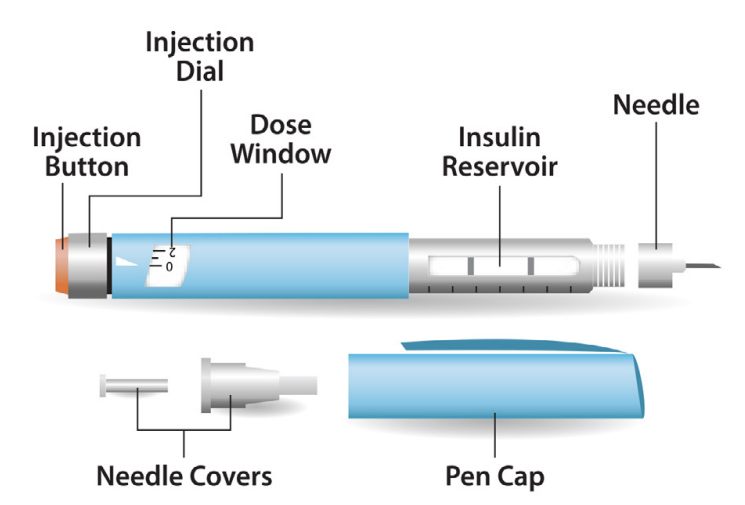
Components of an Insulin Pen Injector
Understanding the structure of an insulin pen injector helps users operate the device correctly and safely.
Typical components include:
1. Insulin Cartridge
Contains pre-measured insulin and is either replaceable (reusable pen) or built into the device (disposable pen).
2. Dial Mechanism
Allows users to select the exact insulin dose required before injection.
3. Injection Button
Pushes insulin through the needle into the subcutaneous tissue.
4. Disposable Pen Needle
A sterile needle attached before each injection to ensure hygiene and safety.
5. Protective Cap
Protects the device and maintains sterility when not in use.
Together, these components form a compact and efficient medical consumables system for insulin delivery.
What Is an Insulin Syringe?
An insulin syringe is a traditional injection device used to administer insulin drawn manually from a vial. It consists of a calibrated barrel, plunger, and needle.
Insulin syringes remain widely used worldwide due to their affordability and compatibility with multiple insulin formulations.
Despite the growing popularity of insulin pens, syringes still play an important role in clinical practice and resource-limited healthcare settings.
Insulin Pen Injector vs Insulin Syringe: Key Differences
The following table highlights the major differences between the two devices.
| Feature | Insulin Pen Injector | Insulin Syringe |
| Dose preparation | Dial-based selection | Manual drawing from vial |
| Accuracy | Higher accuracy at low doses | Depends on user technique |
| Portability | Highly portable | Less convenient |
| Ease of use | Very easy | Requires training |
| Injection comfort | Less painful | Slightly more discomfort |
| Cost | Higher | Lower |
| Insulin compatibility | Limited to pen cartridges | Compatible with most insulin vials |
| Risk of dosing errors | Lower | Higher if improperly used |
Studies show insulin pens provide more consistent dosing accuracy, particularly at doses below 5 units. ([PubMed][1])
Advantages of Insulin Pen Injectors
Insulin pen injectors offer several clinical and practical benefits compared with insulin syringes.
1. Higher Accuracy
One of the most important advantages of insulin pens is improved dosing precision.
Research indicates that insulin pens deliver more consistent doses than traditional vial-and-syringe systems, especially when administering small insulin volumes. ([PubMed][1])
This accuracy helps improve glycemic control and reduces dosing mistakes.
2. Greater Convenience
Insulin pens eliminate the need to draw insulin manually from a vial.
Patients can:
Carry pens easily
Inject quickly
Use them discreetly in public settings
This convenience improves treatment adherence significantly.
3. Ease of Use
The dial-based dosing mechanism simplifies operation, especially for:
elderly patients
visually impaired individuals
patients with limited hand dexterity
pediatric users
Studies show most patients find insulin pens easier to use than syringes.
4. Less Injection Pain
Pen needles are typically thinner and shorter than traditional syringe needles.
Many patients report reduced injection discomfort and lower needle anxiety when switching to insulin pens.
Improved comfort encourages consistent insulin therapy.
5. Lower Risk for Hypoglycemia in Ambulatory Care Settings
Improved dose accuracy and adherence contribute to better glucose stability.
Clinical reviews suggest insulin pens may help reduce hypoglycemia events compared with vial-and-syringe therapy in certain outpatient populations.
This makes insulin pens particularly suitable for home-care insulin management.
6. Lower Healthcare Utilization Rates and Costs
Although insulin pens have higher upfront costs, they may reduce long-term healthcare expenses by:
improving adherence
reducing dosing errors
lowering hospitalization risk
preventing complications related to poor glucose control
Better therapy compliance translates into improved patient outcomes.
Disadvantages of Insulin Pen Injectors
Despite their advantages, insulin pens also have some limitations.
1. Higher Cost
Compared with insulin syringes, insulin pens are more expensive.
Costs include:
pen devices
disposable pen needles
cartridge replacements
This can affect accessibility in cost-sensitive healthcare systems.
2. Limited Availability of Insulin Types
Not all insulin formulations are available in pen format.
Some specialized insulin therapies still require vial-and-syringe administration.
Healthcare providers must choose delivery devices based on treatment compatibility.
Advantages of Insulin Syringes
Although insulin pens are increasingly popular, insulin syringes remain an essential medical device option.
Key benefits include:
Lower Cost
Insulin syringes are more affordable than insulin pens, making them widely used in developing markets and large-scale healthcare systems.
Flexible Insulin Mixing
Some patients require mixed insulin regimens.
Syringes allow:
combining insulin types
adjusting doses manually
customizing treatment
This flexibility is not always possible with insulin pens.
Wide Insulin Compatibility
Syringes can be used with nearly all insulin vials available on the market.
Disadvantages of Insulin Syringes
Common limitations include:
higher risk of dosing errors
more complicated preparation steps
reduced portability
greater needle visibility (increasing injection anxiety)
These factors may reduce patient adherence over time.
Strategies to Avoid or Minimize Harm from Insulin Pens
Proper use of insulin pen injectors is essential to ensure safe insulin therapy.
Healthcare organizations strongly recommend the One Pen One Patient safety principle.
Important strategies include:
1. Never Share Insulin Pens
Even if the needle is replaced, insulin pens must never be shared between patients.
Cross-contamination risks remain possible.
2. Always Use a New Needle for Each Injection
Single-use needles reduce:
infection risk
tissue damage
dosing inaccuracies
3. Prime the Pen Before Injection
Priming removes air bubbles and ensures accurate insulin delivery.
This step improves injection reliability.
4. Store Insulin Properly
Improper storage affects insulin stability.
Recommended practices include:
avoiding direct sunlight
maintaining correct storage temperature
checking expiration dates regularly
5. Train Patients and Caregivers
Proper education significantly reduces medication errors.
Healthcare providers should ensure users understand:
correct injection angle
dose selection
needle disposal procedures
Training improves safety outcomes in both hospital and home-care environments.
Which One Should You Choose?
Choosing between an insulin pen injector vs insulin syringe depends on several factors:
| Scenario | Recommended Option |
| Home-care therapy | Insulin pen injector |
| Elderly patients | Insulin pen injector |
| Pediatric patients | Insulin pen injector |
| Cost-sensitive settings | Insulin syringe |
| Flexible insulin mixing required | Insulin syringe |
| High-precision low-dose therapy | Insulin pen injector |
Healthcare professionals typically recommend insulin pens for convenience and adherence, while syringes remain valuable in cost-controlled or specialized treatment situations.
Conclusion
Both insulin pen injectors and insulin syringes are essential tools for insulin therapy.
Insulin pens provide:
higher dosing accuracy
better convenience
improved patient adherence
reduced hypoglycemia risk in some settings
Meanwhile, insulin syringes remain:
affordable
flexible
widely compatible
Understanding their differences helps patients, clinicians, and global medical supply buyers select the most appropriate insulin delivery solution for safe and effective diabetes management.

Author: EMMA
Marketing Manager
Hello, I'm Emma, serving as the Marketing Manager at Shanghai Teamstand Corporation. With over 10 years' experience in the medical industry. Our dedicated team is eager to offer you good service and high quality products with competitive price.
Mob: (00)86-18621901943
Email: sales@teamstandmed.com
Post time: Mar-23-2026