




When discussing “dialysis needle vs regular needle”, it is important to understand that both types are categorized as “medical devices“, yet they serve very different clinical purposes. A regular syringe needle is typically used for medications, blood draws, and injections, while a “dialysis needle” is specifically engineered for hemodialysis access through an arteriovenous (AV) fistula or graft. For healthcare workers, suppliers, and buyers in the global “medical supply” market, knowing the differences can ensure the right product is selected for patient safety and treatment efficiency.
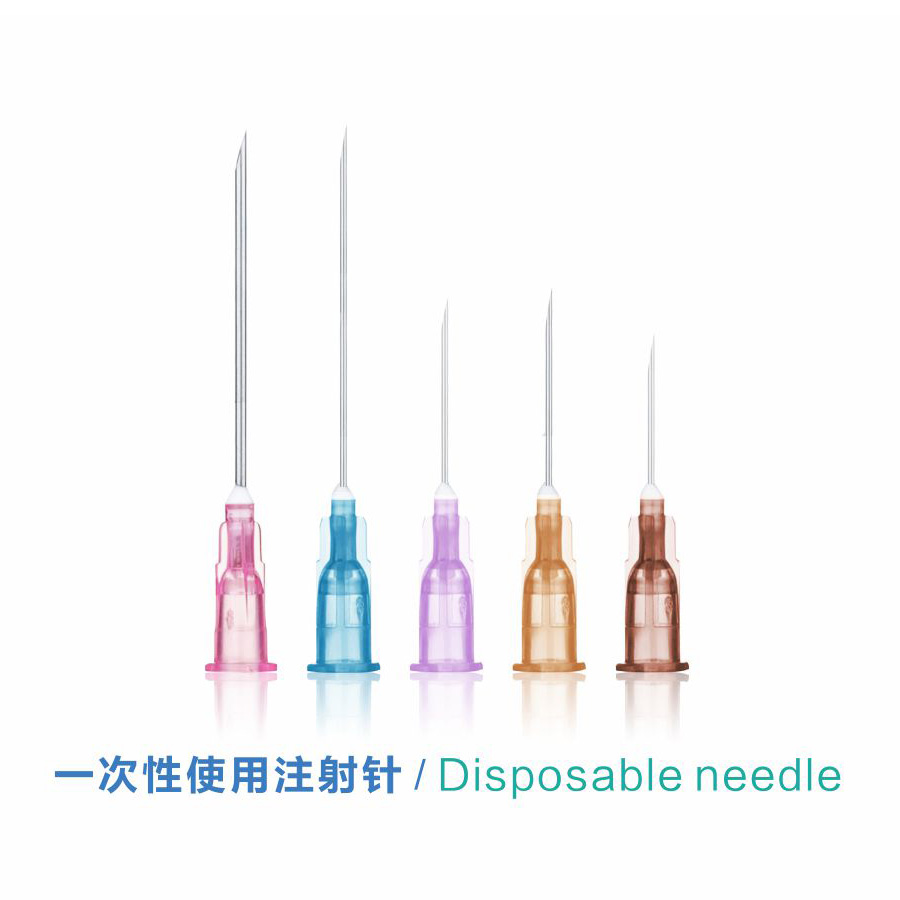
What Is a Regular Needle?
A regular injection needle is designed for common clinical procedures such as:
Subcutaneous or intramuscular injection
Blood sampling or IV insertion
Medication administration
Vaccination
Regular needles come in a wide range of sizes from 18G to 30G. The smaller the gauge number, the larger the diameter. For routine injections, 23G–27G is most common, designed to minimize discomfort while allowing sufficient flow of fluids.
However, these standard needles are “not suitable for hemodialysis”, as their lumen is too narrow and the flow rate cannot meet the demands of blood purification therapy.
What Is a Dialysis Needle?
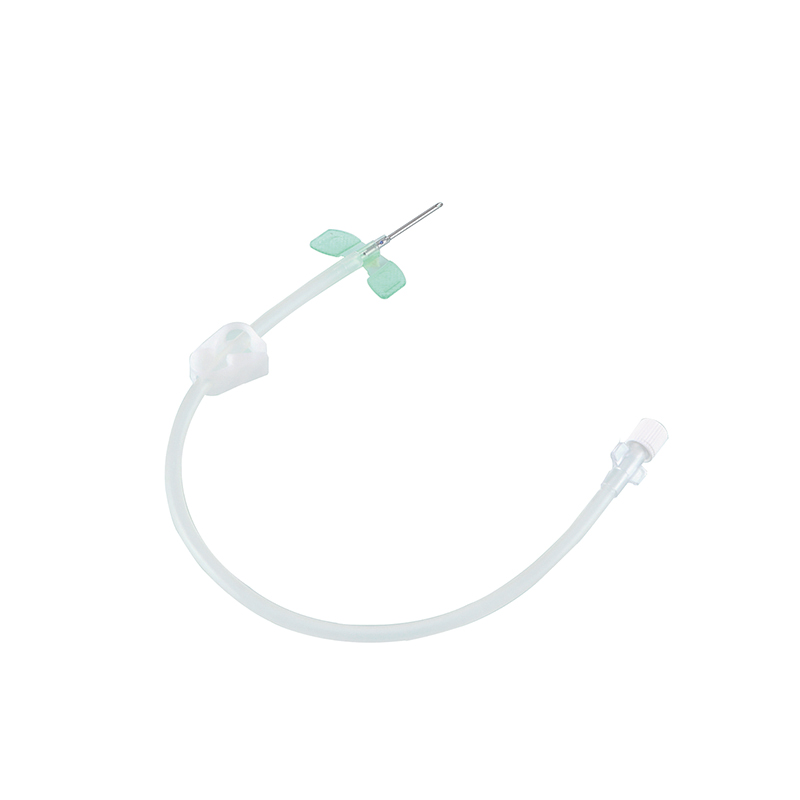
A dialysis needle, often referred to as an “AV fistula needle“, is specially designed for “hemodialysis” treatment. It is inserted into an arteriovenous fistula to allow rapid blood transfer between the patient and the dialysis machine. Unlike regular needles, it features:
A larger gauge for high blood flow
A winged design for secure fixation
Back-eye or front-eye tip for smoother blood movement
Soft tubing connected to the dialysis circuit
Color-coded sizes for easy clinical recognition
Dialysis requires processing a large volume of blood—up to 300–500 mL/min. Therefore, only high-flow dialysis needles can meet this requirement.
Dialysis Needle vs Regular Needle: Main Differences
| Feature | Dialysis Needle | Regular Needle |
| Purpose | Hemodialysis access | Injection, IV access, medication |
| Gauge | 14G–17G (common: 15G AV fistula needle) | 18G–30G depending on use |
| Flow Rate | High blood flow (300–500 mL/min) | Low to medium flow |
| Tube Connection | Equipped with tubing and wings | Typically no wings or tubing |
| Patient Use Frequency | Repeated access for chronic patients | Occasional use or single procedure |
| Insertion Site | AV fistula or graft | Vein, muscle, subcutaneous tissue |
From this comparison, it becomes clear that dialysis needle vs regular needle is not just a matter of size—it is a difference in engineering, application, structure, and safety requirement.
Dialysis Needle Size Overview
Dialysis needle size is an important consideration for both clinicians and procurement specialists. The gauge directly affects flow rate and patient comfort. Commonly used sizes include:
14G — Largest diameter, highest flow rate
15G AV fistula needle — Most popular balance between flow and comfort
16G — Suitable for stable hemodialysis patients
17G — For those with fragile fistula or low tolerance
Color coding is often standardized for easy identification—15G frequently appears green, 16G purple, 17G red. This helps medical staff quickly confirm the correct size during treatment.
Dialysis Needle Size Comparison Chart
| Gauge | Outer Diameter | Flow Speed | Best Use Case |
| 14G | Largest | Very High | High-efficiency dialysis, good vascular condition |
| 15G (most used) | Slightly smaller | High | Standard adult dialysis therapy |
| 16G | Moderate | Medium-High | Stable patients, controlled access |
| 17G | Smallest dialysis needle | Medium | Patients with fragile veins or low tolerance |
In search-based purchase decisions, dialysis needle size comparison is one of the most important aspects. Buyers often look for 14G–17G options depending on patient vascular condition and treatment goals.
Why a Regular Needle Cannot Replace a Dialysis Needle
Even though both are medical needles, a regular injection needle is not capable of handling dialysis flow volume. Using a standard needle for hemodialysis would result in:
Insufficient blood flow rate
Increased risk of hemolysis
Higher clotting risk
Potential pain and access damage
Life-threatening treatment failure
Hemodialysis needles are reinforced not just in size but also in structure. Their siliconized sharp bevel offers smooth penetration, minimizing trauma during repeated access.
When to Use Each Type?
| Scenario | Recommended Needle |
| Daily medication injection | Regular disposable needle |
| Routine vaccination | Regular needle 23G–25G |
| Blood drawing | Regular needle or butterfly needle |
| Chronic kidney disease dialysis | Dialysis needle (14G–17G) |
| AV fistula puncture | 15G AV fistula needle preferred |
If a patient receives dialysis three times per week, using a reliable fistula needle is mandatory to maintain vascular health and treatment efficiency.
Market Demand and Global Supply Insights
With chronic kidney disease increasing worldwide, the demand for medical supply products such as dialysis needles continues to rise. Many manufacturers now specialize in:
Sterile, single-use dialysis needles
Color-coded gauge sizing
Siliconized and back-eye tip designs
Tubing and luer connector systems
Searches like dialysis needle vs regular needle, dialysis needle size comparison, and 15G AV fistula needle show consistent global traffic, making the topic important for medical distributors, e-commerce platforms, and procurement teams.
Conclusion
Both regular needles and dialysis needles are essential medical devices, but they are engineered for completely different purposes. A regular needle supports common clinical procedures, while a dialysis needle provides high-volume access for hemodialysis treatment. Understanding dialysis needle sizes, flow performance, and structural differences ensures safer patient care and more efficient procurement decisions.
For anyone looking to compare dialysis needle vs regular needle, the most important takeaway is simple:
Only a dialysis needle is suitable for hemodialysis.
Post time: Dec-08-2025