



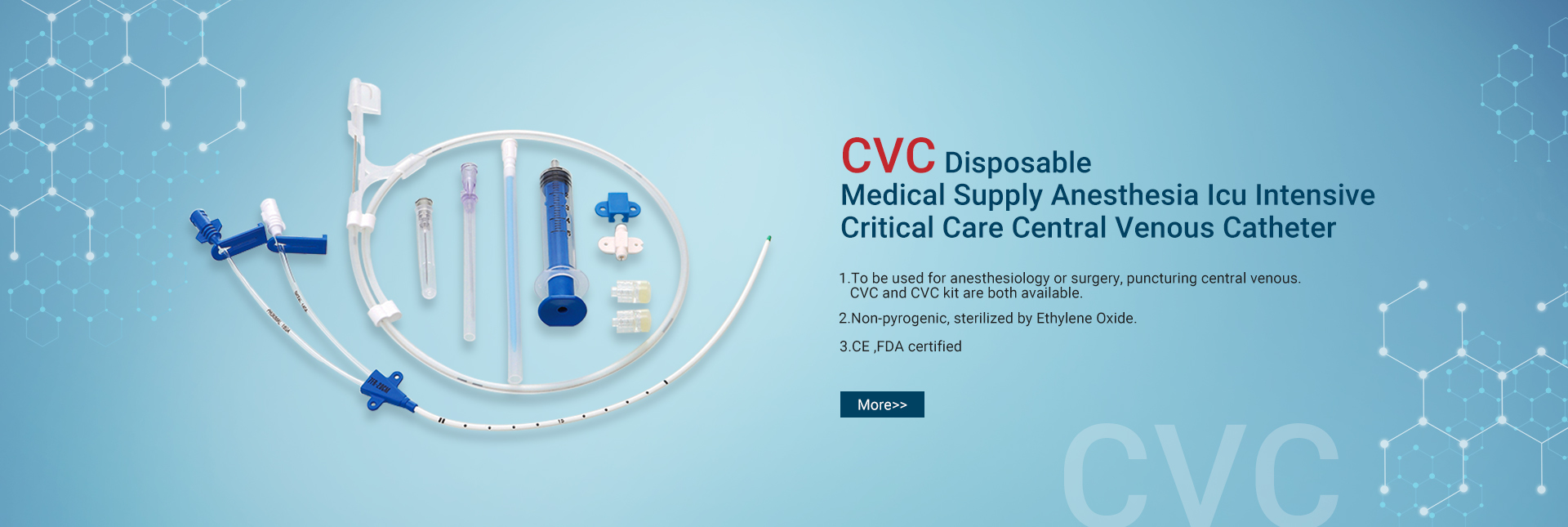
Top China Feeder Manufacturers: Quality Solutions for Your Needs
As a B2B purchaser in search of a reliable feeder, I understand the importance of quality and efficiency for my operations. This feeder, produced by a trusted manufacturer in China, stands out for its robust design and impressive performance in various industrial applications. It’s tailored to meet the demands of high-volume production environments, ensuring that materials are consistently and precisely delivered. I appreciate how this feeder can integrate seamlessly into existing systems, optimizing workflow and minimizing downtime. The durability of materials used shows that it’s built to last, reducing long-term costs for my business. Plus, working directly with a China-based manufacturer means I can expect competitive pricing and responsive service. Investing in this feeder is not just about enhancing productivity; it’s about elevating my operations to new heights. For anyone serious about improving their manufacturing process, this option is definitely worth a closer look.

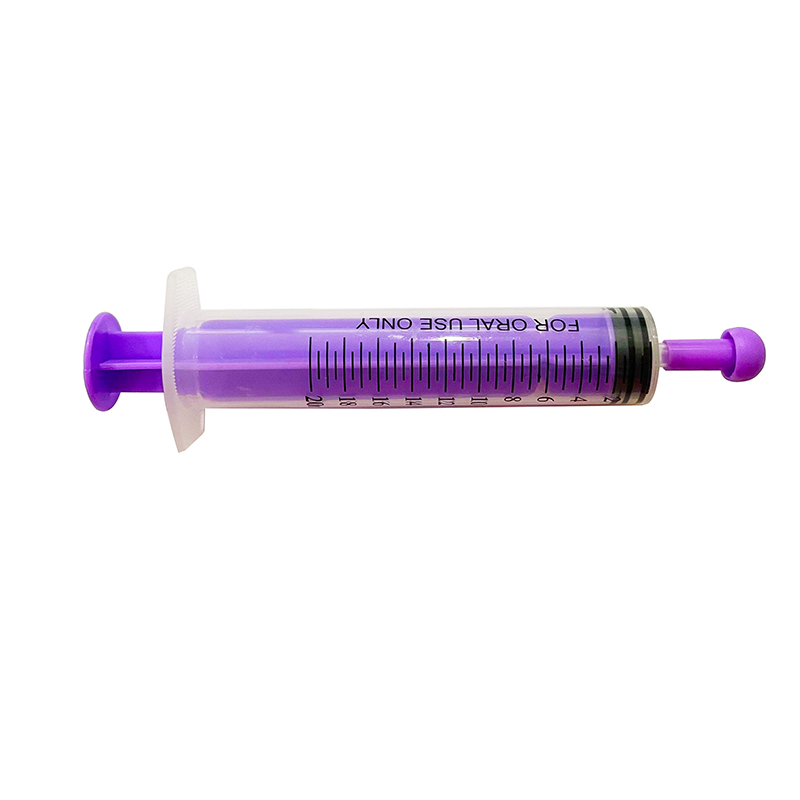


feeder Market Leader Exceeds Industry Benchmarks
In the highly competitive feeder market, achieving excellence and exceeding industry benchmarks is no small feat. Companies that manage to excel often do so through innovative practices, superior product quality, and unmatched customer service. The current landscape sees a growing demand for high-performance feeder solutions that not only meet but surpass the expectations of international buyers. This shift highlights the importance of partnerships rooted in reliability and efficiency, creating a win-win scenario for vendors and customers alike. Global purchasers are increasingly focusing on the sustainability and functionality of feeder systems as they seek to optimize their supply chains. Establishing a solid reputation in the industry is crucial for any business aiming to secure their market position. By adopting cutting-edge technology and maintaining rigorous quality control measures, leaders in the feeder market can provide assurance to buyers that their investments will yield maximum returns. As industry benchmarks evolve, organizations must remain agile and responsive to changing market dynamics. This means investing in research and development, enhancing supply chain logistics, and forging strong relationships with clients. For buyers, partnering with a market leader that consistently meets these challenges can be key to achieving operational excellence and long-term success in their respective markets.
Feeder Market Leader Exceeds Industry Benchmarks
| Metric | Feeder Market Leader | Industry Average | Variance |
|---|---|---|---|
| Market Share (%) | 35% | 25% | +10% |
| Customer Satisfaction (%) | 92% | 85% | +7% |
| Annual Growth Rate (%) | 15% | 10% | +5% |
| Product Return Rate (%) | 3% | 7% | -4% |
| Average Order Value ($) | 150 | 120 | +30 |
Related Products



feeder Service Sets the Industry Standard
Top Selling Products




- Related Blog
- Reviews
